OpenLedger Airdrop & Crypto Guide 2026: Earn $OPEN Safely and Efficiently
 2026.04.11 14:15
 YT.Shi
The world of cryptocurrency moves fast. If you read articles from 2025, you might think you missed your chance with OpenLedger. The good news is that as of April 2026, OpenLedger has grown from its early "Binance Alpha" tests into a strong, working AI platform.
More than half of all $OPEN tokens are set aside for community rewards in the coming years, which means the best time to earn is just starting. For users looking to participate at scale, tools like BitBrowser can help manage multiple accounts more efficiently.
This guide will explain how OpenLedger works today and show you simple strategies to earn your share of the $OPEN ecosystem.
What is OpenLedger in 2026?
OpenLedger is the leading decentralized "data bank" for Artificial Intelligence. In simple terms, it provides the massive datasets and computing power that AI models need to learn.
Unlike traditional platforms, OpenLedger uses a Proof of Attribution mechanism. This system is designed to track contributions and reward users based on their activity across the network.
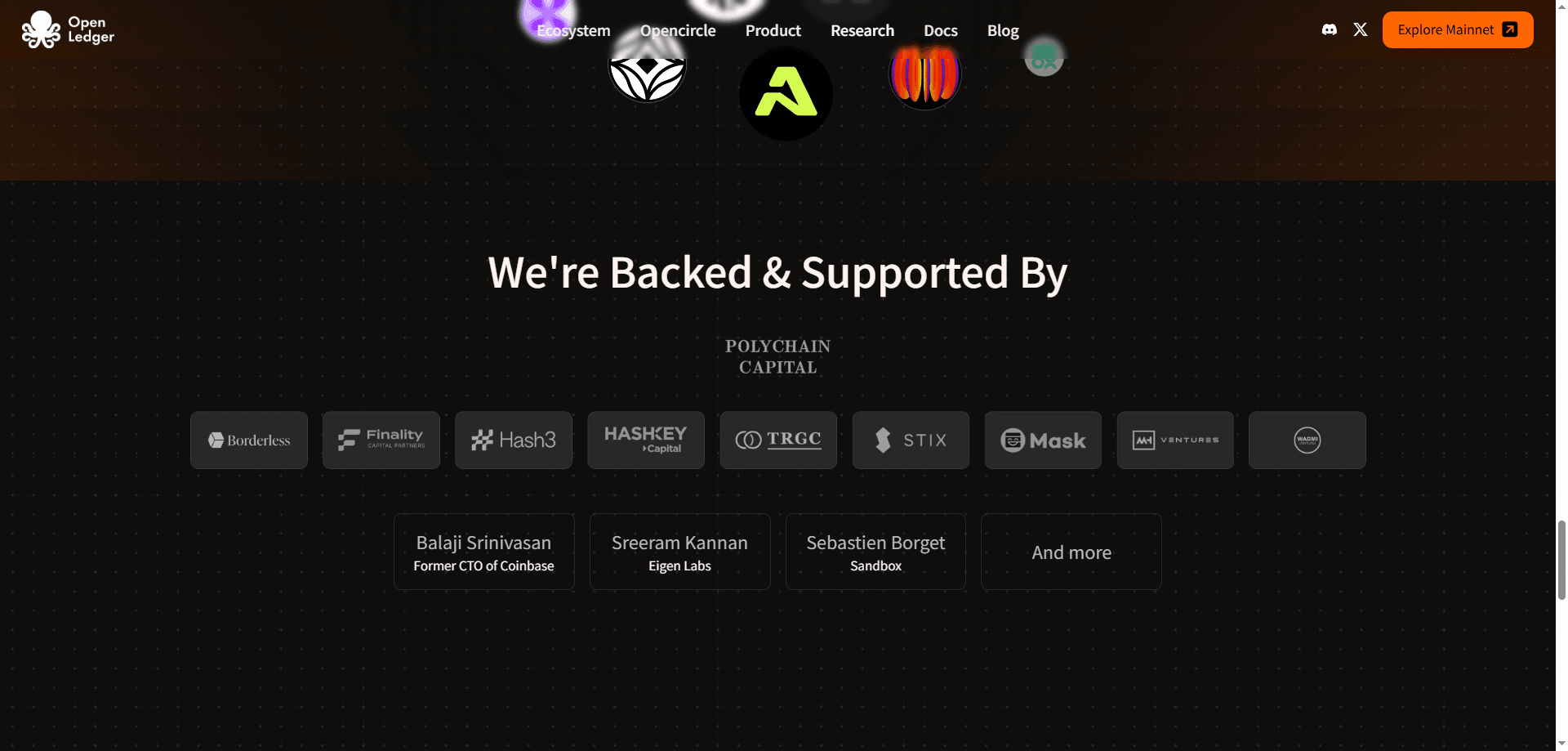
The project is also supported by investors and ecosystem participants such as Polychain Capital and other industry contributors. As a result, $OPEN has become a recognized asset in the “AI + Crypto” sector.
Current Ways to Earn $OPEN Rewards
In 2026, the era of "free lunch" snapshots has evolved into active participation. Here is how you can earn today:
● Mainnet Staking: Put your $OPEN tokens to work on the mainnet. This helps the network and gives you regular rewards.
● Data Node Operation: Run a small program on your computer to check AI data. You earn tokens for helping out.
● Ecosystem DApps: New projects on OpenLedger sometimes give free tokens to users who are active with $OPEN.
● AI Studio Contributions: If you have good data or AI models, you can sell them in the OpenLedger marketplace and earn tokens.
OpenLedger Airdrop Participation and How the System Worked
Although the OpenLedger airdrop is no longer open for new users, it is still useful to understand how early participation worked.
Early users were able to join through a private waitlist, which usually required email verification. This gave selected users early access to the mainnet before public launch.
During the testnet phase, participation was more active. Users could complete daily tasks, engage with social activities, and run lightweight node software on Android or desktop devices. Some versions of the system tracked simple activity signals, which helped measure real user engagement.
There were also browser-based extensions and node tools that allowed users to contribute directly through their web browser. These tools made it easier for non-technical users to participate without installing complex software.
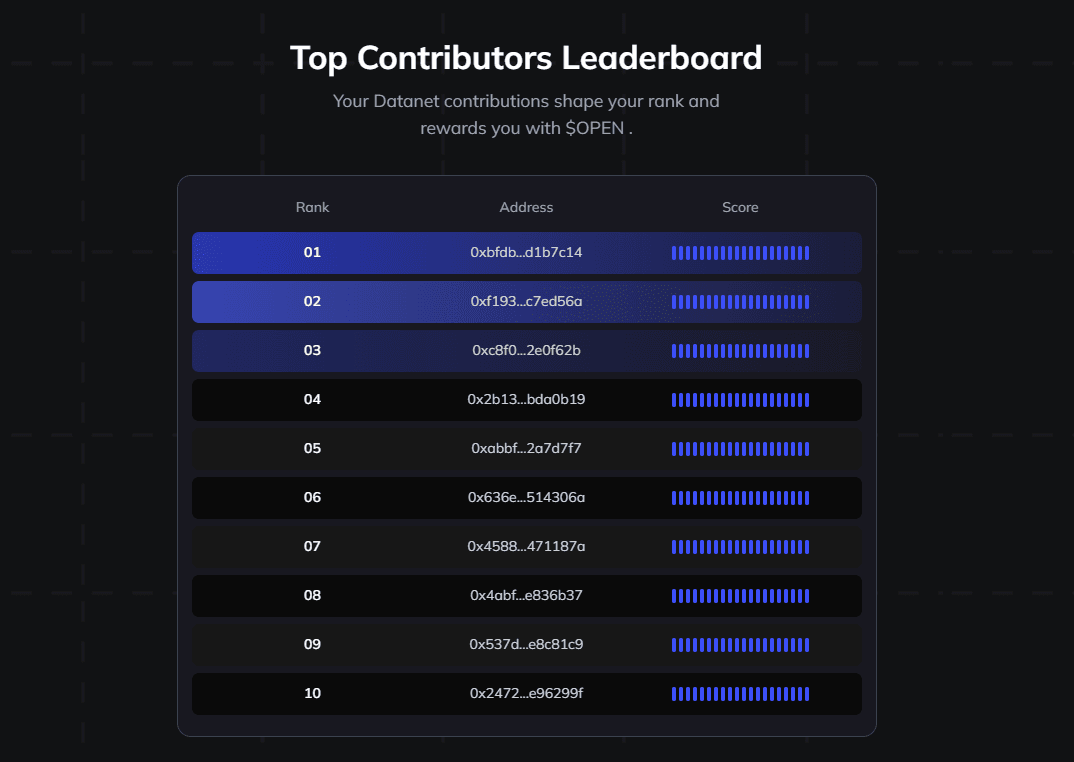
Across different testnet seasons, activity such as check-ins, social engagement, and node operation was recorded and rewarded. These points were later designed to be converted into $OPEN allocations after launch.
This process shows that OpenLedger focused heavily on real participation rather than passive holding, rewarding users who actively contributed to the network.
How to Get Started with OpenLedger in 2026
If you are new to OpenLedger, getting started is quite simple. You do not need advanced technical skills to begin earning $OPEN.
First, you need a crypto wallet that supports the OpenLedger ecosystem. Once your wallet is ready, you can connect it to the official OpenLedger platform.
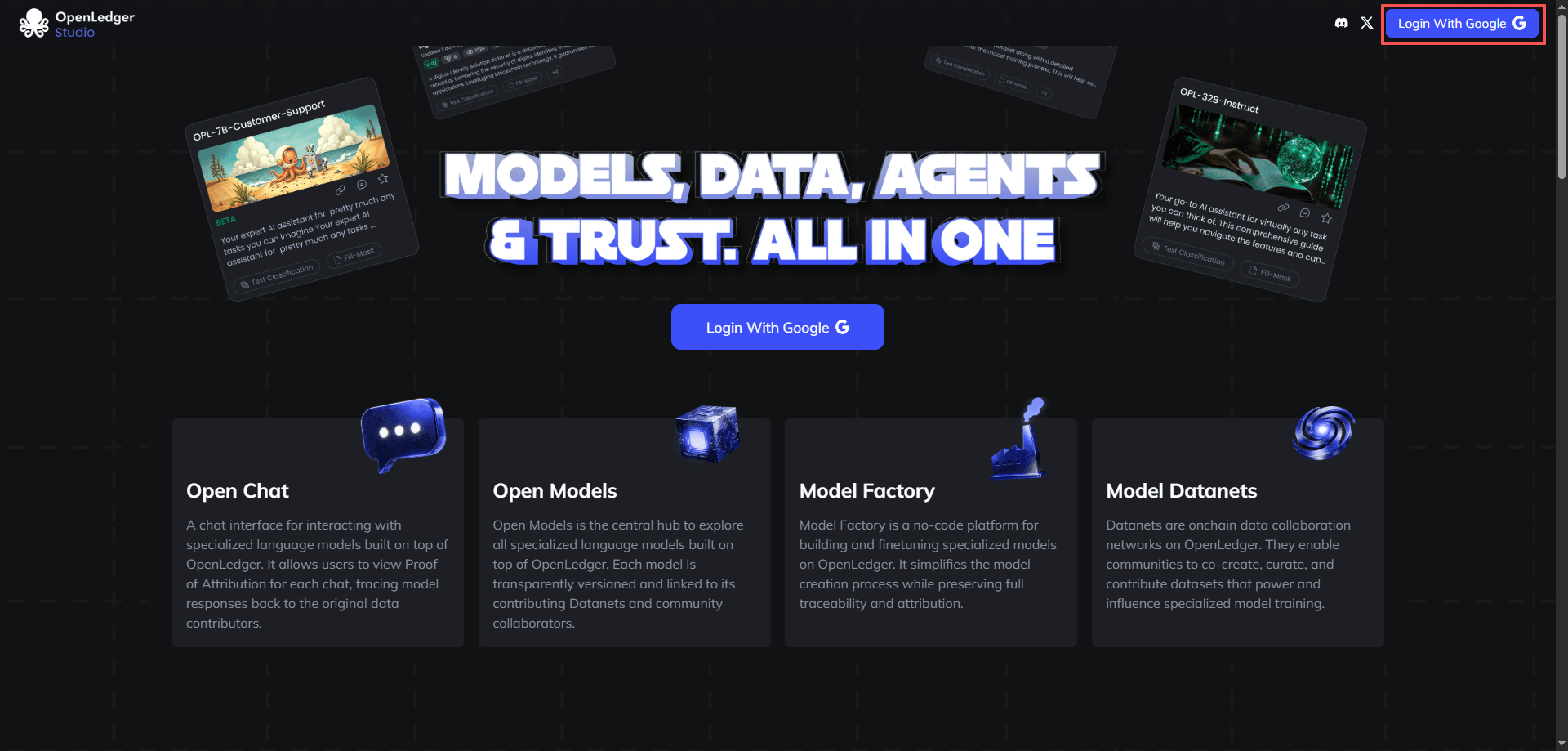
After connecting, you can choose how you want to participate. Some users prefer staking, while others focus on running nodes or interacting with ecosystem applications. Each method gives you a different way to earn rewards.
Once everything is set up, your activity on the network will start generating $OPEN rewards automatically based on your contribution.
How to Use BitBrowser for Safer Multi Account Management
For users who want to participate more actively, BitBrowser can help organize multiple accounts in a more structured way.
Separate Browser Profiles and Environment Control
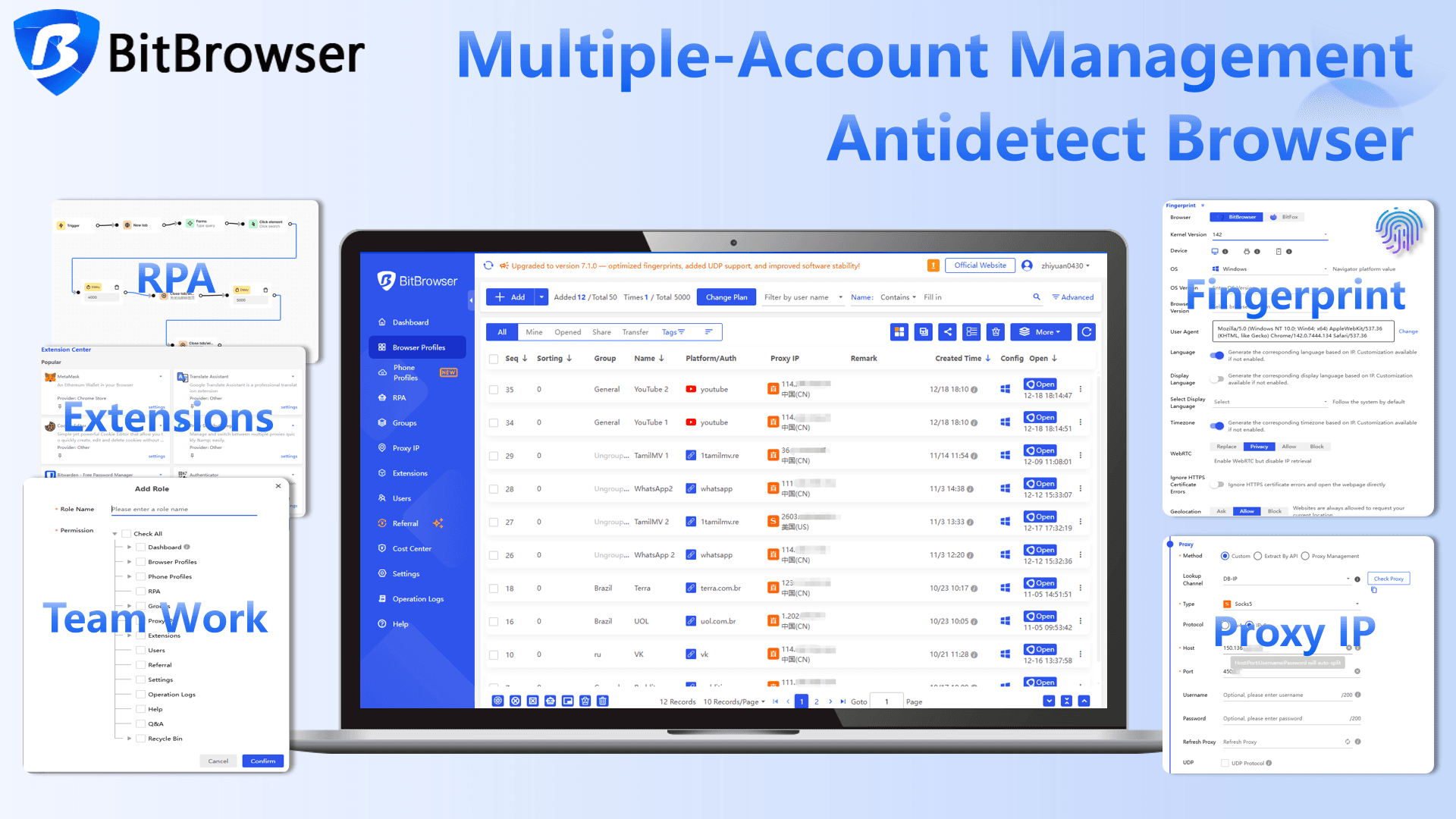
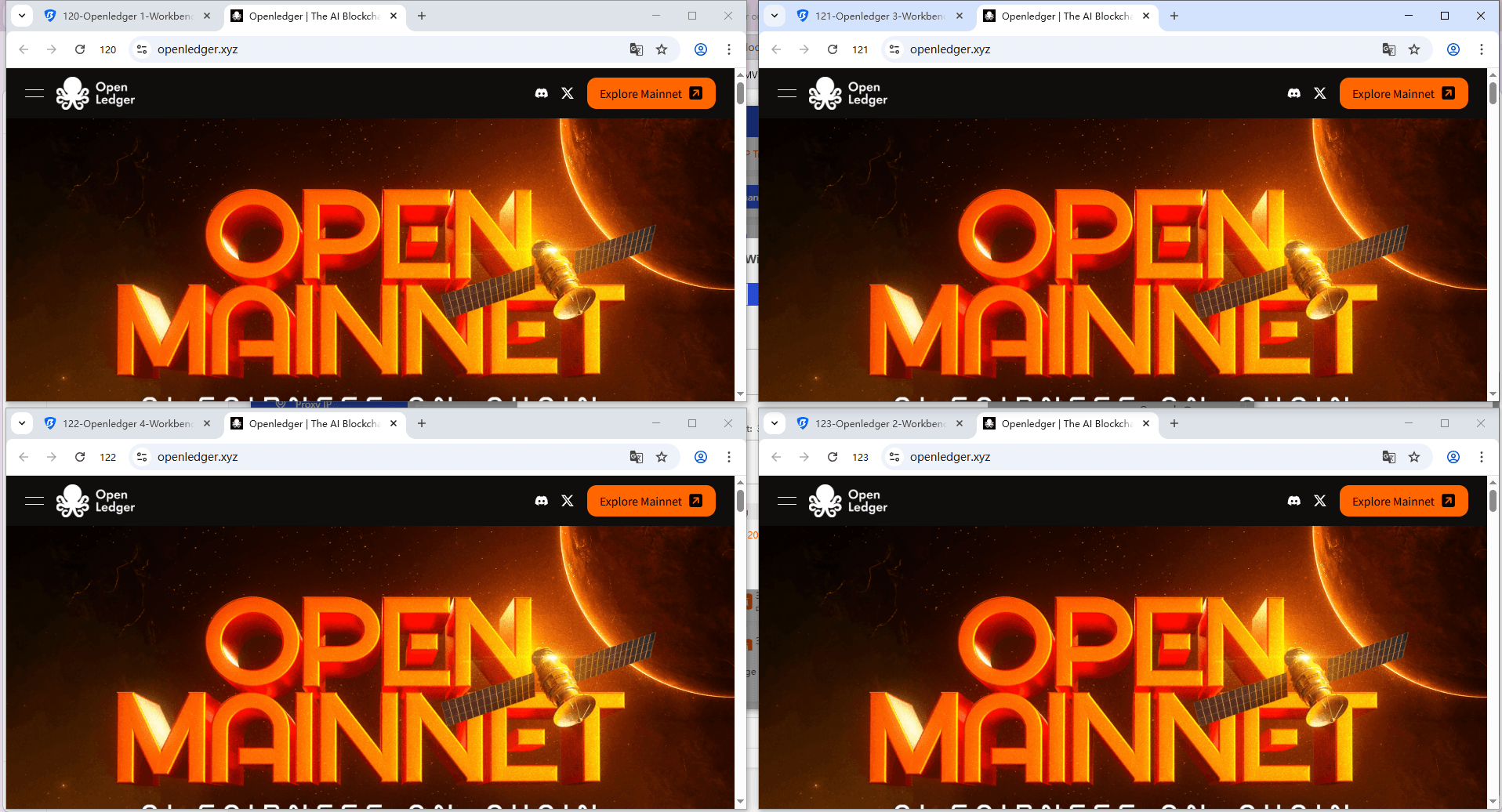
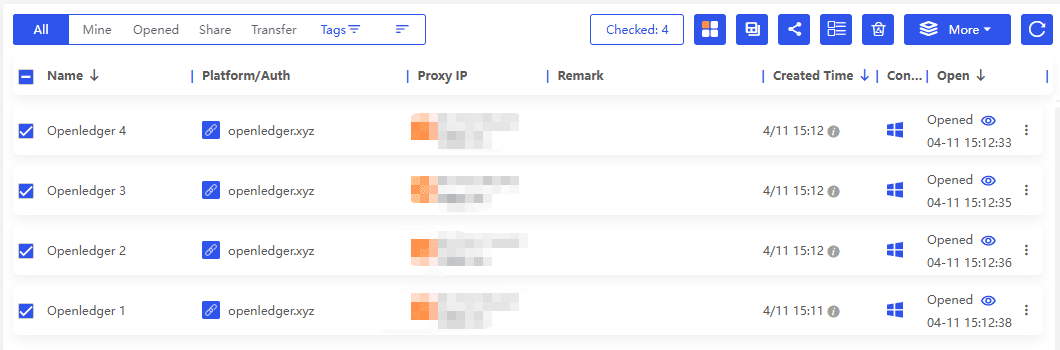
Instead of using a single browser for everything, BitBrowser allows you to create separate browser profiles for different accounts used in airdrop participation or ecosystem tasks. Each profile runs in its own isolated environment, with separate cookies, sessions, and browsing data.
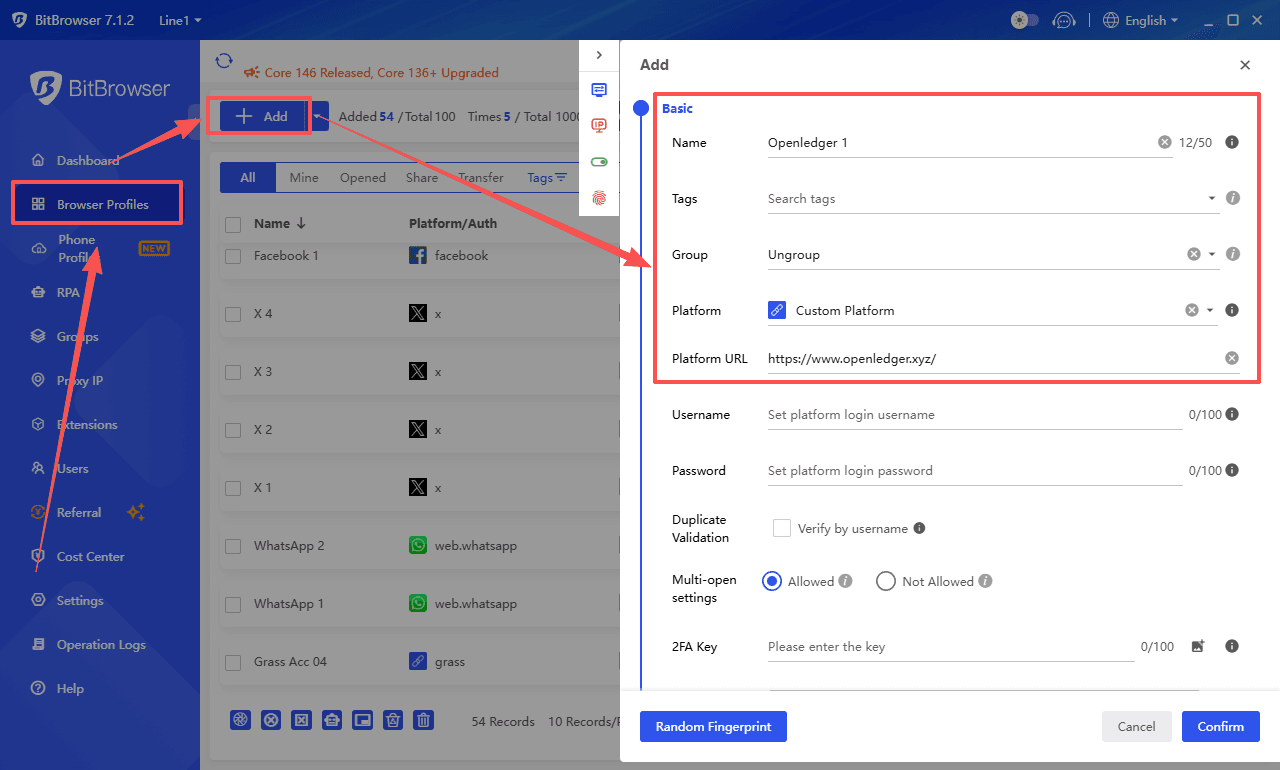
This setup helps ensure that each account operates independently without mixing activity across profiles, which is important when completing reward-based tasks.
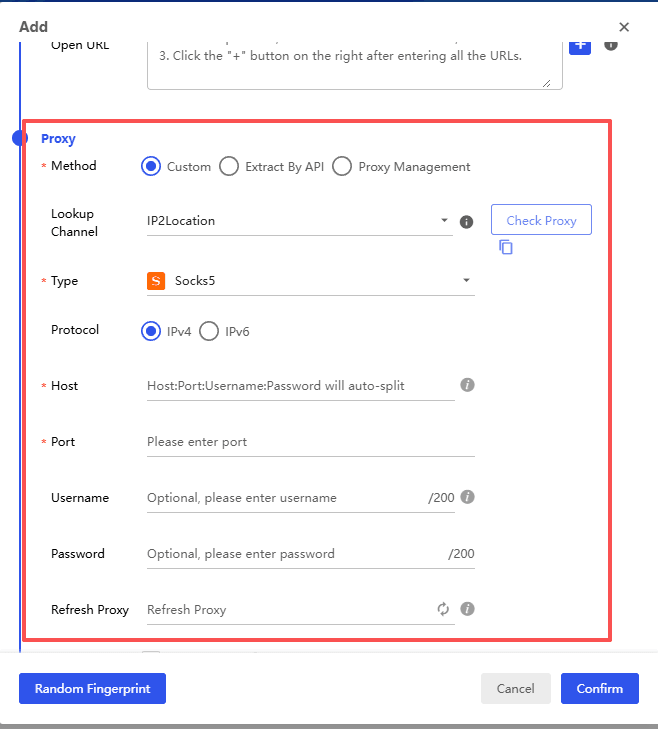
Proxy Support and Network Separation
BitBrowser can be used together with proxy settings to simulate different network environments during airdrop participation. Each browser profile can be assigned a different proxy, which helps keep account activity separated at the network level when joining multiple campaigns.
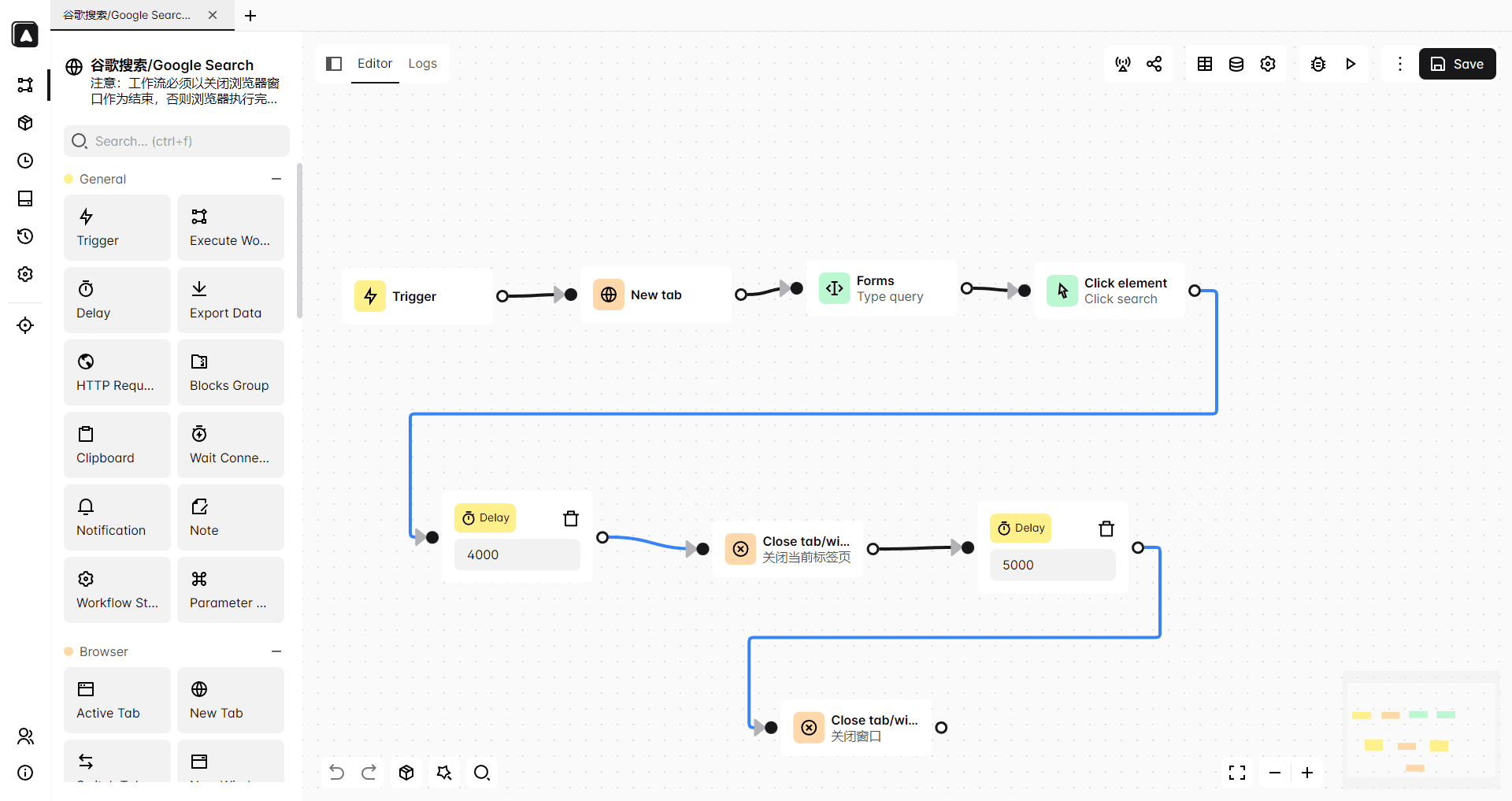
Automation and Daily Task Efficiency
BitBrowser also supports basic workflow automation for repetitive airdrop tasks. Users can reduce manual work by setting up simple automated steps inside each profile, such as logging in, completing daily check-ins, or participating in ecosystem activities.
Organized Multi Account Management
In practice, users can create a new profile for each wallet or account, log in separately, and complete airdrop or ecosystem tasks without mixing activity across profiles. Profiles can also be grouped by campaign or strategy, making it easier to track progress and manage participation at scale.
Sign Up
Risks vs Rewards of OpenLedger Participation
Like any crypto project, OpenLedger comes with both opportunities and risks.
On the reward side, users can earn $OPEN through staking, running nodes, contributing data, and participating in ecosystem applications. As the network grows, these rewards may become more valuable.
On the risk side, users need to be aware of Sybil detection systems, market price fluctuations, and potential account restrictions if suspicious behavior is detected.
Because of this, it is important to follow official rules, avoid unsafe tools, and maintain natural activity patterns across your accounts.
Final Thoughts
OpenLedger in 2026 has evolved into a real and active AI crypto ecosystem. Users can earn $OPEN through staking, running nodes, and participating in ecosystem activities.
As competition grows, staying organized and consistent becomes more important. Tools like BitBrowser can help manage multiple accounts more efficiently and keep participation structured.
In the long run, earning in OpenLedger comes down to understanding the system, staying active, and following a clear strategy.

 Multi-Account Management
 Prevent Account Association
 Multi-Employee Management
Recommended
See More