How to Make Money on Substack in 2026: The Complete Creator Revenue Guide
 2026.07.21 21:44
 petro
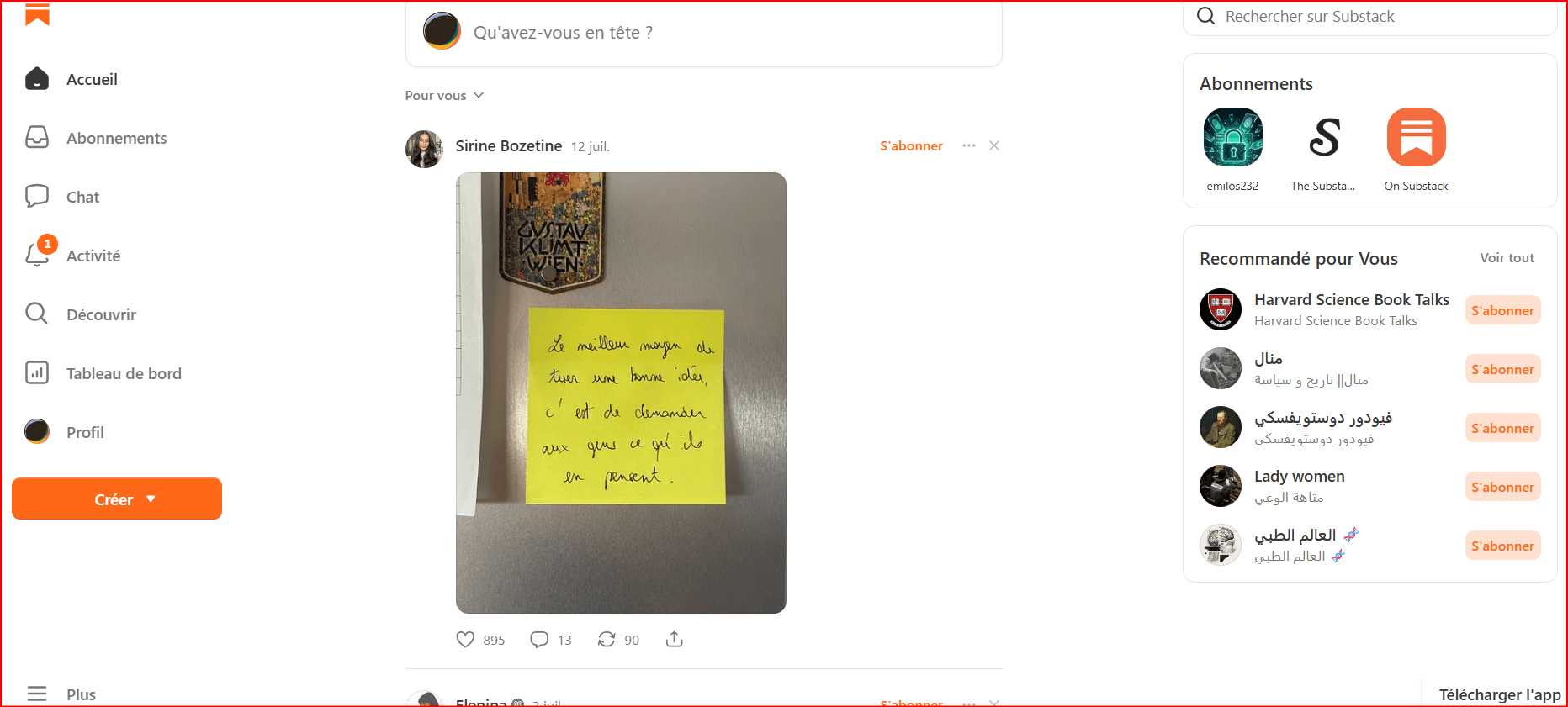
petroIn 2026, Substack is no longer only a place to email essays. It is a creator business platform that can combine newsletters, podcasts, video, live streams, Notes, Chat, and paid memberships. The most reliable path to income is not to lock every post immediately. It is to earn attention with useful free work, create a clear reason to pay, and build several complementary revenue streams around one trusted editorial brand.
This guide explains a practical model for turning a Substack publication into a sustainable business. It also shows how BitBrowser can help a creator or small team organize separate work environments for editorial work, sponsor outreach, analytics, and social promotion. The objective is operational security and clarity, never fake engagement, policy evasion, or deceptive account activity.
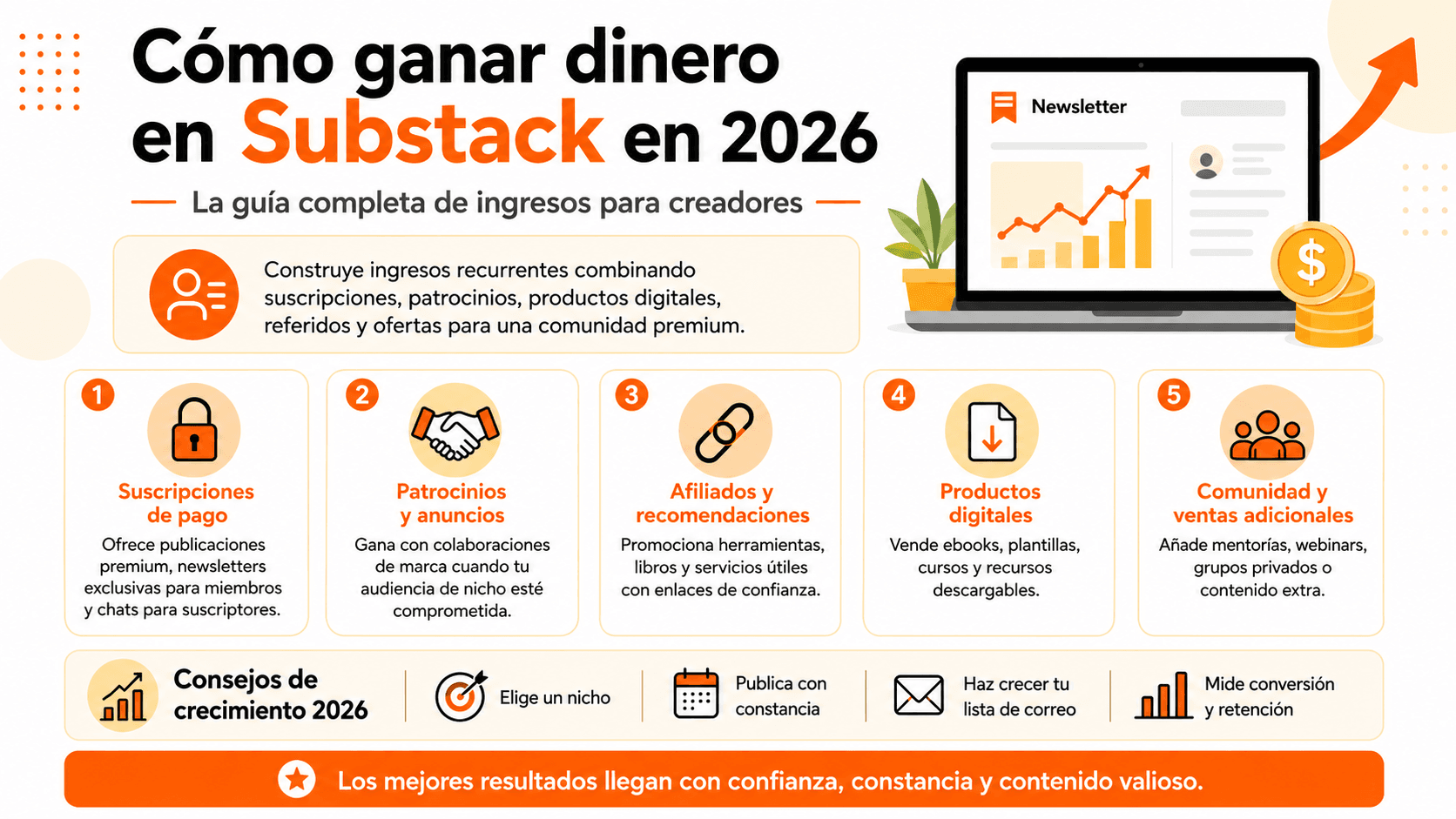
Quick revenue model
Revenue stream | How it works | Best stage | Income type |
|---|---|---|---|
Paid subscriptions | Monthly, annual, and founding memberships for premium content or access. | After a repeatable free publishing rhythm | Recurring |
Sponsorships | Relevant brands pay for clearly labeled placements or dedicated issues. | When readership is defined and engaged | Campaign-based |
Digital products | Templates, reports, databases, guides, or mini-courses sold to readers. | After readers request practical tools | One-time / launch |
Services | Consulting, coaching, research, or implementation based on your expertise. | Early, with a small qualified audience | High-ticket |
Events and community | Paid workshops, office hours, cohorts, or member meetups. | Once participation is consistent | Mixed |
1. Choose a niche with a paid problem
A profitable publication usually sits at the intersection of expertise, urgency, and a reader who can act on the information. “Technology” is too broad; “weekly cloud-cost controls for small SaaS teams” is specific. A narrow promise helps readers understand the outcome, helps search engines categorize the publication, and makes a paid offer easier to design.
Validate the niche before spending months writing. Interview ten potential readers, publish five free posts around recurring problems, and measure replies, saves, shares, and subscription conversions. Strong signals include readers asking for templates, deeper analysis, implementation help, or a faster way to stay informed.
2. Build a free-to-paid content funnel
Free content is your acquisition engine. Publish practical posts that are complete enough to earn trust but naturally reveal a need for continuity, curation, community, or tools. A strong weekly rhythm might include one flagship article, three short Notes, one discussion prompt, and a monthly live session or podcast episode.
Your welcome page and first email should explain who the publication serves, what arrives free, what paying members receive, and how often you publish. Use a simple call to action after the reader experiences value: subscribe for the checklist, upgrade for the full database, or join the paid tier for the live workshop and archive.
3. Design a paid offer people can explain in one sentence
Paid subscribers need a specific ongoing benefit. Examples include a weekly research brief, private market data, office hours, premium interviews, a members-only podcast, a searchable template library, or a moderated community. Combine information with access and convenience rather than selling “more posts” alone.
Keep pricing simple. Offer monthly and annual options, then add a founding-member tier for readers who want to support the work at a higher level. Annual plans improve cash flow and reduce monthly cancellation friction, while founding memberships can finance new formats. Avoid unrealistic scarcity or income promises.
4. Add revenue streams beyond subscriptions
Subscriptions create recurring revenue, but a resilient creator business can also use carefully selected sponsors, affiliate links with clear disclosures, paid workshops, consulting, research reports, job boards, digital downloads, and live events. Every offer should be relevant to the editorial promise; random promotions can damage the trust that makes the newsletter valuable.
The best sequence is usually audience first, recurring subscription second, then higher-value products or services. A small newsletter with highly qualified readers may earn more from one workshop or consulting package than from advertising. Track the time required for each revenue stream, not only the gross sales.
5. Grow through network effects and retention
Use recommendations, Notes, guest posts, podcast swaps, and collaborations with adjacent creators. Instead of asking for generic cross-promotion, propose a useful joint asset: a benchmark, debate, checklist, or live session. Growth is strongest when the audiences overlap but the publications are not direct substitutes.
Retention matters more than a launch spike. Monitor paid net growth, churn, open rates, upgrade sources, and which posts generate new subscriptions. Send a short cancellation survey, refresh older premium assets, and remind paid readers of benefits they may have missed. A stable business is built on readers who continue to receive clear value.
6. Use BitBrowser as an operations layer, not a shortcut
A creator with several brands, sponsor portals, client publications, or team members can use isolated BitBrowser profiles to separate cookies, logins, extensions, and work contexts. For example, one profile can hold the main publication and analytics, another can handle sponsor outreach, and another can be assigned to a contractor who schedules approved social posts.
Keep real ownership records, enable two-factor authentication, use a password manager, and follow Substack and social-network rules. Do not create fake subscribers, manufacture recommendations, bypass suspensions, or simulate audience activity. Operational separation is useful only when the underlying business is transparent and legitimate.
90-day execution plan
Phase | Actions | Primary goal |
|---|---|---|
Days 1-15 | Define the reader, promise, five content pillars, and a simple welcome sequence. Publish two cornerstone posts. | Clarity |
Days 16-30 | Publish weekly, post Notes, interview readers, and collect pledges or explicit upgrade interest. | Validation |
Days 31-60 | Launch the paid tier with one flagship benefit, annual pricing, and a founding option. | First recurring revenue |
Days 61-90 | Add collaborations, improve retention, test one sponsor or digital product, and review metrics. | Repeatability |
BitBrowser workflow for a legitimate creator business
Business task | Recommended browser organization | Good-practice control |
|---|---|---|
Editorial and analytics | One profile for the primary Substack, analytics, and approved publishing tools. | Owner access, 2FA, documented recovery email |
Sponsors and partnerships | Separate profile for brand portals, contracts, and outreach accounts. | No undisclosed promotions; keep an approval log |
Team social distribution | Role-based profile for approved social channels and scheduling. | Least-privilege access; never buy or fake engagement |
Frequently asked questions
How many subscribers do I need before going paid?
There is no universal minimum. Go paid when a small group repeatedly asks for deeper help and you can deliver a recurring benefit. A focused list of 300 engaged readers may outperform a broad list of 10,000 passive readers.
How much does Substack take?
Substack currently charges 10% of paid transactions. Stripe processing fees, billing charges, refunds, currency conversion, and taxes may also affect net revenue.
Should every post be behind a paywall?
Usually no. Keep enough high-quality work free to attract and qualify new readers. Use paid posts for depth, continuity, tools, access, or time-sensitive analysis.
Can BitBrowser increase my Substack income?
It can improve organization and reduce login confusion for legitimate multi-brand or team workflows, but it does not replace expertise, audience trust, or valuable content.
Conclusion
Making money on Substack in 2026 is a business-design problem, not a posting-volume contest. Choose a narrow promise, build a free content engine, sell a clear recurring outcome, and add products or services only when they fit the audience.
Use Substack for publishing, discovery, community, and payments, and use BitBrowser only as a secure operational workspace when you genuinely need separate profiles or team roles. Sustainable revenue comes from trust, retention, and useful work that readers would miss if it disappeared.
Official links and fact-check sources
Substack pricing • Paid publication setup • Substack metrics • Creator resources • BitBrowser official website • BitBrowser download

 Gestione di account multipli
 Previeni l'associazione degli account
 Gestione multi-impiegato
Articoli Consigliati
vedi di più