How to Start a Business in 9 Simple Steps: A Beginner's Guide
 2025.11.30 23:17
 petro
petroStarting a business can feel overwhelming, especially if it's your first time, but with a clear plan and a step-by-step approach, you can make the journey smoother and increase your chances of success. Follow these nine essential steps to lay a solid foundation for your business.
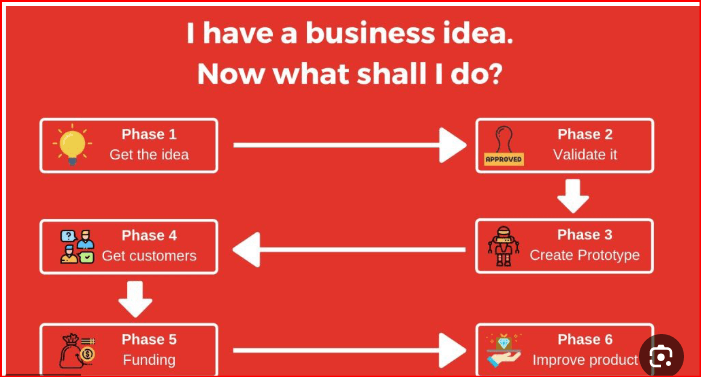
Step 1: Generate Your Business Idea
The first step in any business venture is to come up with an idea. For some, it’s turning a hobby into a business, while others might start from scratch. Simon Sinek’s Start with Why emphasizes that people buy into why you do something, not just what you do. Understanding your motivation can help shape your business idea.
To find your "why," brainstorm by dividing a sheet of paper into two columns. On one side, list needs or problems in the world that you could address. On the other, write down your passions, skills, and how you want to make an impact. See where the two intersect, and you’ll start to identify a business concept that matches your expertise with market demand.
Step 2: Validate Your Idea
Once you’ve got an idea, it's time to validate it. Before investing too much time or money, make sure your idea will work. Start small:
- Research your market and industry
- Understand customer demographics
- Check out existing competitors
- Test your product or service with a small group of potential customers
Feedback from real people is crucial to see if your idea resonates and if it's feasible. Refining your concept based on feedback will help ensure your business has a chance to succeed.
Step 3: Create a Business Plan
A solid business plan keeps you focused and guides your decisions. It’s also essential if you're seeking investors or applying for business loans. Your business plan should include:
- An executive summary
- Business description (mission, vision, etc.)
- Market analysis
- Marketing strategy
- Operational plan
- Funding requirements
- Financial projections
If you’re short on time or resources, consider a “lean startup” business plan that focuses on the most crucial aspects of your business. Check out resources from the Small Business Administration for templates and further guidance.
Step 4: Build Your Minimum Viable Product (MVP)
Your MVP is a basic version of your product or service created to test its viability in the real world. Don’t worry about perfection—focus on functionality. The goal is to quickly bring something to market to test whether it meets your customers' needs.
Once your MVP is out there, gather feedback from customers. What do they like? What can be improved? Use this feedback to refine your product before officially launching.
Step 5: Handle Legalities
Before you start operating, make sure you're compliant with legal requirements. These will vary depending on your state and industry. Common tasks include:
- Registering your business (e.g., Articles of Incorporation)
- Obtaining necessary licenses and permits
- Securing an Employer Identification Number (EIN) for tax purposes
The Small Business Administration (SBA) offers resources to help you navigate state-specific legal requirements.
Step 6: Manage Finances and Accounting
Proper financial management is key to your business's success. First, choose a legal structure that best suits your business (LLC, S-Corp, Sole Proprietorship, etc.). This affects your taxes and liability.
Next, keep your business and personal finances separate by opening a business bank account. You’ll also need an accounting system, whether you handle it yourself, hire an accountant, or outsource the work.
If needed, explore financing options like small business loans or credit lines to help fund your venture.
Step 7: Get Business Insurance
While not all businesses need insurance, it’s essential for many. If you have employees, are renting space, or are in a high-risk industry, consider getting coverage to protect against lawsuits, property damage, or other risks. Types of business insurance include:
- General liability
- Product liability
- Workers' compensation
- Commercial property insurance
Research what’s necessary for your industry to ensure you’re adequately covered.
Step 8: Plan for HR Needs
As your business grows, you’ll likely need to hire employees. Whether you're a one-person operation at the start or plan to hire right away, consider your HR needs. Key areas include:
- Benefits packages (health insurance, retirement plans)
- Compliance with labor laws and posting requirements
- Employee tax withholding (Social Security, Medicare, etc.)
- Developing Standard Operating Procedures (SOPs) for workplace safety and employee expectations
For larger teams, you may decide to outsource HR or hire a dedicated HR manager.
Step 9: Find Your First Customers
Now comes the exciting part: attracting customers. Your marketing efforts will depend on your business type, but here are some essentials:
- Website: Make sure it’s user-friendly, responsive (mobile-friendly), and provides clear info about your business, products, and services.
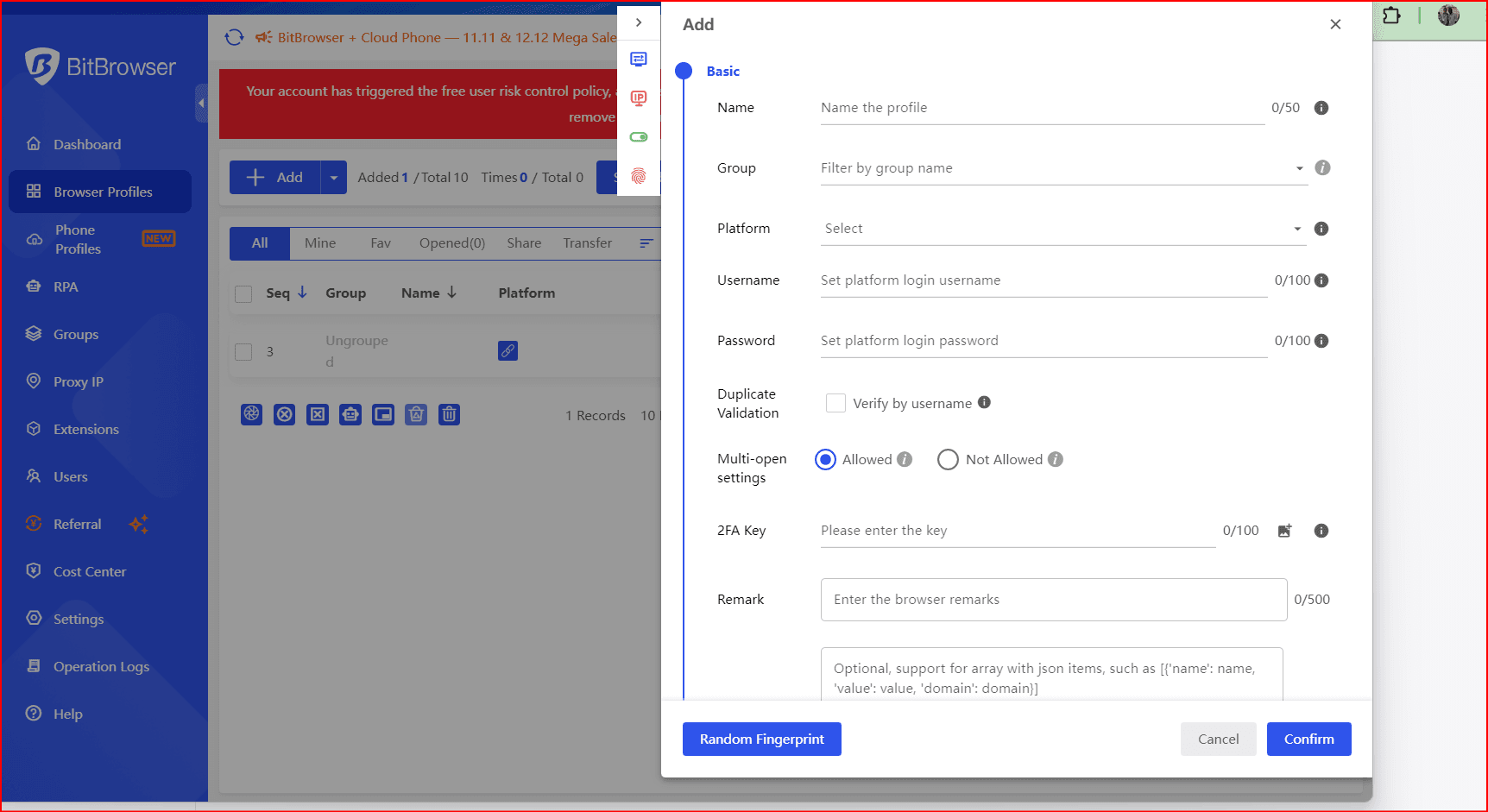
Social Media: Build a presence on platforms like Facebook, Instagram, and LinkedIn. Social media helps you reach a wider audience and engage with potential customers and you can use muliti-account with BitBrowser
- Email Marketing: Collect email addresses from your customers and send regular updates, special offers, or newsletters to keep them engaged.
Start small but aim to build a loyal customer base as you grow.
Final Thoughts: Embrace Your Passion
Starting a business is hard work, but it’s incredibly rewarding to pursue something you're passionate about. Your business isn’t just about making money—it’s about creating something meaningful that has an impact on the world. By following these nine steps, you'll be well on your way to turning your dream into a reality.

 Multi-Account Management
 Prevent Account Association
 Multi-Employee Management
Recommended
See More