Residential vs Mobile Proxies in 2026: Identity Infrastructure, Detection Models, and the Role of BitBrowser
 2026.01.31 04:51
 petro
petroBy 2026, proxy infrastructure alone is no longer enough to maintain reliable access on modern platforms. Network identity must be paired with browser-level isolation and fingerprint control to prevent account linkage and behavioural correlation. This is where BitBrowser anti-browser becomes a critical layer in residential and mobile proxy workflows.
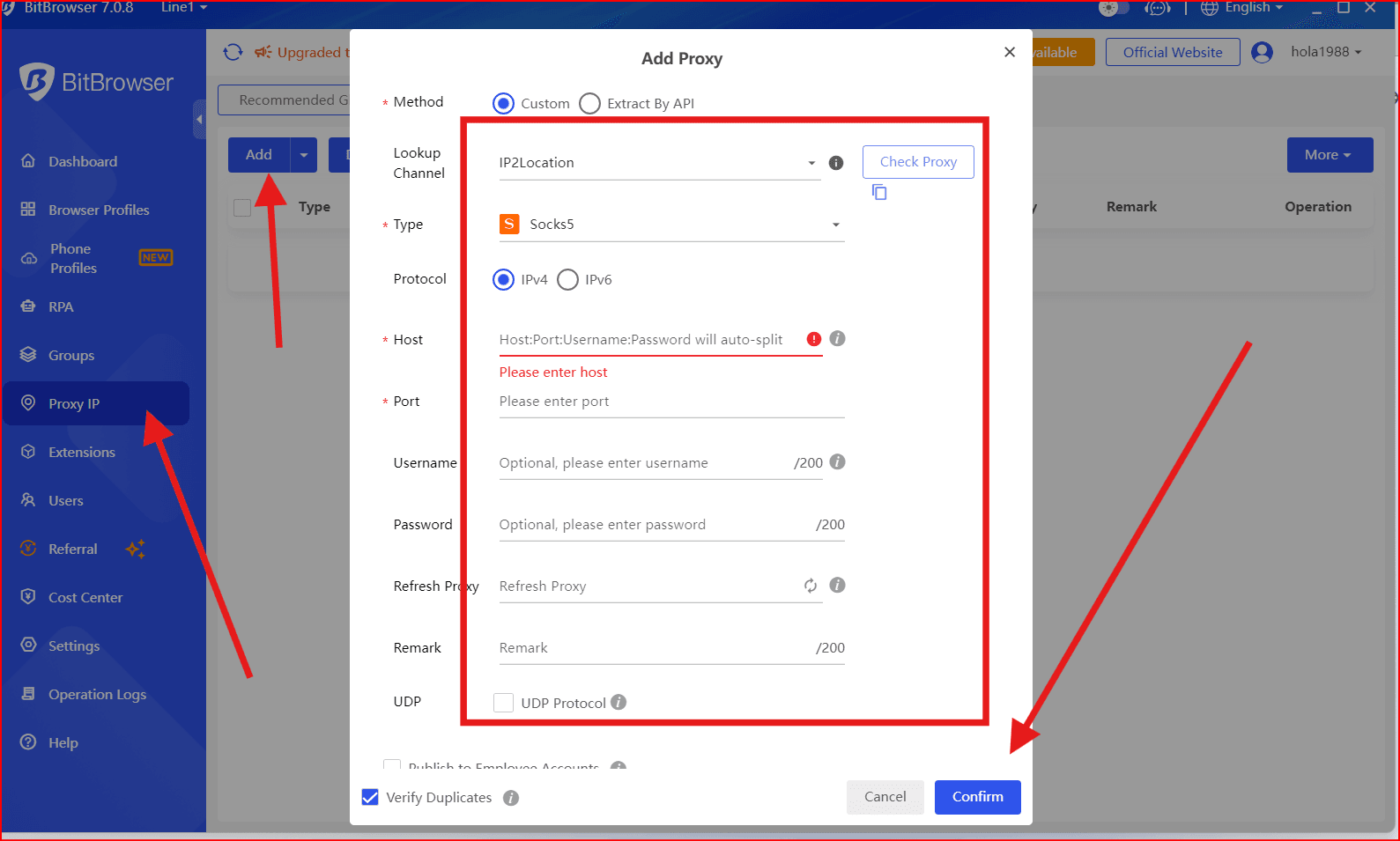
BitBrowser anti-browser operates as the identity container above the proxy layer, ensuring each residential or mobile IP is paired with a consistent, isolated browser environment. This alignment between network identity and browser behaviour significantly improves stability on platforms that evaluate far more than IP reputation alone.
Why Proxies Alone Are Insufficient in 2026
Modern platforms correlate traffic using multiple identity dimensions:
- IP history, ASN type, and routing behaviour
- Browser fingerprints (Canvas, WebGL, Audio, fonts, timezone)
- Cookies, local storage, and session persistence
- Behavioural timing and interaction patterns
Without browser isolation, even clean residential or mobile IPs can be flagged due to fingerprint reuse or cross-session leakage. BitBrowser anti-browser mitigates this risk by assigning each proxy session its own fully isolated browser profile.
How BitBrowser Anti-Browser Complements Residential Proxies
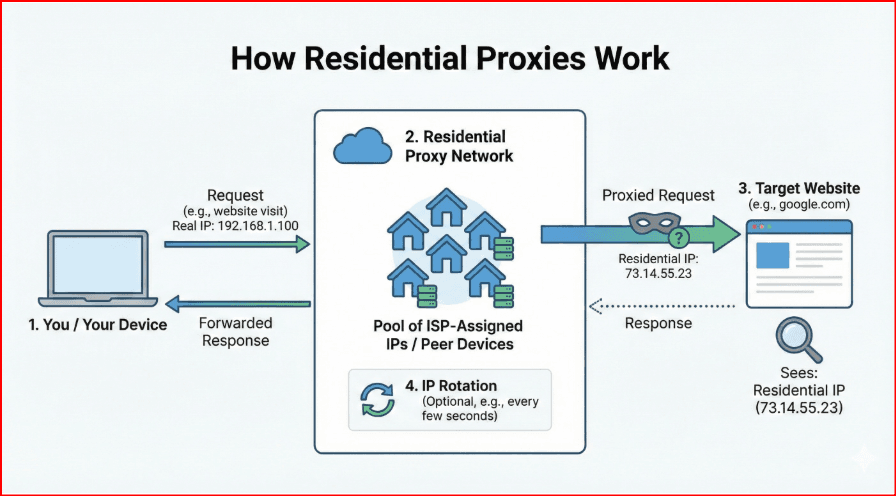
Residential proxies provide stable household-style IP identities, while BitBrowser anti-browser ensures those identities remain consistent at the browser layer.
Together, they enable:
- Long-lived residential sessions with persistent cookies and logins
- Desktop-style fingerprints aligned with home ISP traffic
- Safe multi-account workflows without cross-profile contamination
- Predictable behaviour for SEO, price tracking, dashboards, and QA
For most 2026 workflows — SEO monitoring, geo-testing, research, account management, and analytics — residential proxies paired with BitBrowser anti-browser form the most reliable baseline setup.
How BitBrowser Anti-Browser Enhances Mobile Proxy Workflows
Mobile proxies generate carrier-grade network signals, but without a matching browser identity, that advantage is reduced. BitBrowser anti-browser allows teams to:
- Match mobile IPs with mobile user agents and OS-level fingerprints
- Isolate short-lived mobile sessions to avoid fingerprint overlap
- Reduce silent bans caused by mobile IP + desktop fingerprint mismatches
- Maintain clean identity rotation for social and app-centric workflows
This makes mobile proxies more effective in mobile-first and high-risk environments, even when session duration and rotation are less predictable.
Identity Alignment in 2026: Network, Browser, and Session
Successful automation stacks in 2026 align three layers:
- Network identity (residential or mobile proxy)
- Browser identity (fingerprint, storage, device signals via BitBrowser anti-browser)
- Session logic (sticky duration, rotation boundaries, task design)
BitBrowser anti-browser provides the control layer that prevents unnatural combinations — such as shared browser fingerprints across accounts or mobile carrier IPs paired with desktop-only browser signals.
Practical Use Cases
Residential Proxies + BitBrowser Anti-Browser
- SEO and SERP monitoring with persistent local profiles
- Long-term price tracking and competitor research
- Account access for dashboards, marketplaces, and partner portals
Multi-region UX and content validation
Mobile Proxies + BitBrowser Anti-Browser
- Social platform automation and research
- Mobile ad verification and in-app flow testing
- Carrier-sensitive, high-risk environments
- Short-session workflows where fingerprint reuse leads to silent blocks
Operational Benefits at Scale
Using BitBrowser anti-browser alongside rotating or static proxies delivers:
Lower account linkage risk
Fewer hidden bans and shadow restrictions
Better session durability and success rates
Cleaner scaling across teams and automation jobs
As proxy usage scales into hundreds or thousands of identities, browser isolation becomes an operational requirement rather than an optional enhancement.
How BitBrowser Anti-Browser Fits Hybrid Proxy Strategies
In modern hybrid setups:
- Residential proxies handle volume, stability, and long sessions
- Mobile proxies address mobile-only or carrier-sensitive surfaces
- BitBrowser anti-browser ensures each identity remains isolated, consistent, and believable
This reflects how platforms actually evaluate traffic in 2026: not by IP alone, but by coherent, multi-layered identity behaviour.
Bottom Line
In 2026, proxies define where traffic comes from, but BitBrowser anti-browser defines how that traffic behaves. and you can try now
Residential proxies remain the foundation for scale and reliability. Mobile proxies solve targeted mobile-first challenges. BitBrowser anti-browser binds both together by enforcing browser-level identity integrity — turning proxy access into a production-ready identity system.

 Multi-Account Management
 Prevent Account Association
 Multi-Employee Management
Recommended
See More