Bare Metal vs Hypervisor: Key Differences + Best Bare Metal Hosting
 2026.04.24 03:53
 petro
petroChoosing between a bare metal server and a hypervisor-based virtualized environment is a critical decision for businesses, developers, and IT professionals. Each option offers distinct advantages depending on performance needs, scalability requirements, budget, and control
This guide breaks down the differences, use cases, pros and cons, and helps you choose the right solution. We’ll also cover some of the best bare metal hosting providers available today.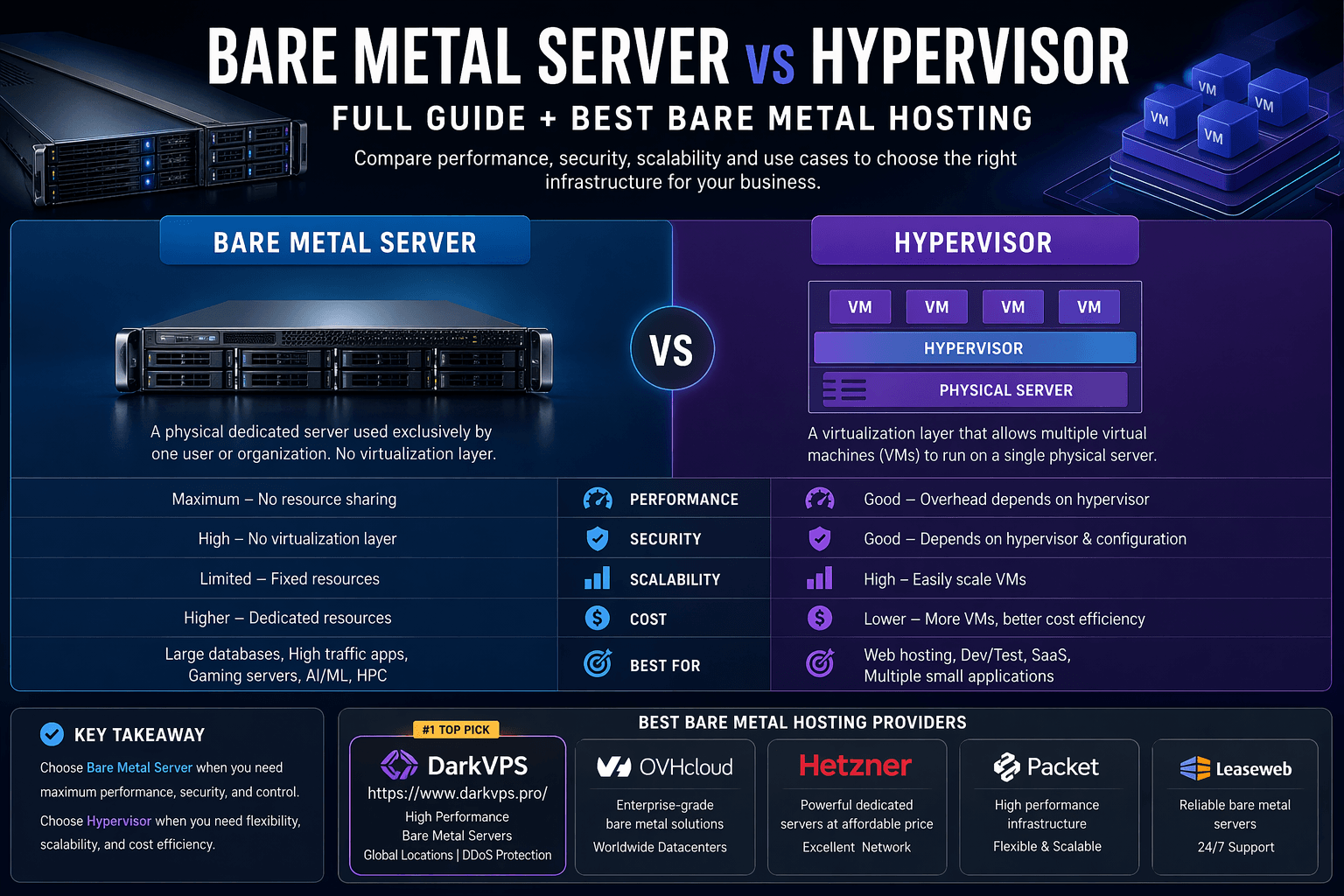
What Is a Bare Metal Server?
A bare metal server is a physical server dedicated to a single tenant. Unlike virtualized environments, it does not use a hypervisor layer to divide resources.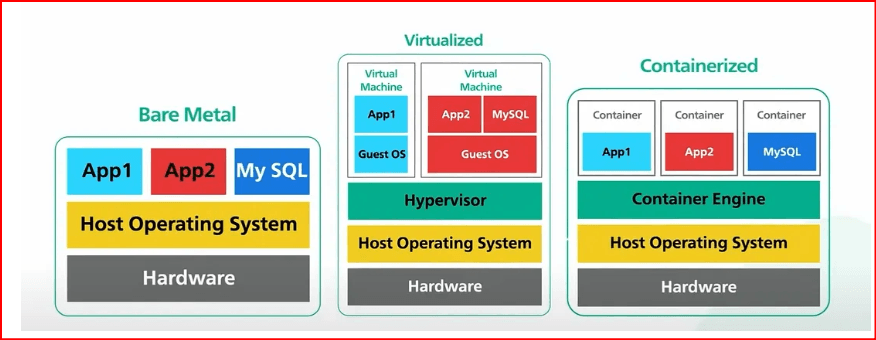
Key Characteristics:
- Dedicated hardware (CPU, RAM, storage)
- No virtualization overhead
- Full control over the operating system
- High performance and predictable workloads
Common Use Cases:
- High-performance computing (HPC)
- Gaming servers
- Big data and analytics
- Machine learning workloads
- Enterprise applications with strict compliance needs
What Is a Hypervisor?
A hypervisor is software that allows multiple virtual machines (VMs) to run on a single physical server by abstracting hardware resources.
Types of Hypervisors:
- Type 1 (Bare-Metal Hypervisor): Runs directly on hardware (e.g., VMware ESXi, Microsoft Hyper-V)
- Type 2 (Hosted Hypervisor): Runs on top of an operating system (e.g., VirtualBox, VMware Workstation)
Key Characteristics:
- Resource sharing across multiple VMs
- Flexible and scalable
- Easier provisioning and management
Common Use Cases:
- Cloud infrastructure
- Development and testing environments
- SaaS applications
- Multi-tenant systems
Bare Metal vs Hypervisor: Key Differences
Feature | Bare Metal Server | Hypervisor-Based Virtualization |
Performance | Maximum (no overhead) | Slight overhead due to virtualization |
Isolation | Complete physical isolation | Logical isolation between VMs |
Scalability | Limited (requires hardware changes) | Highly scalable (spin up VMs quickly) |
Cost | Higher upfront cost | More cost-efficient via resource sharing |
Control | Full control over hardware | Limited by hypervisor layer |
Deployment Speed | Slower | Fast provisioning |
Advantages of Bare Metal Servers
1. Maximum Performance
No virtualization layer means applications can use 100% of hardware resources.
2. Enhanced Security
Physical isolation reduces risks from noisy neighbors or shared vulnerabilities.
3. Predictable Workloads
Ideal for applications requiring consistent performance (e.g., databases).
4. Customization
Full control over OS, kernel, and hardware configurations.
Disadvantages of Bare Metal Servers
- Higher cost compared to shared environments
- Slower provisioning
- Less flexible scaling
- Requires more technical expertise to manage
Advantages of Hypervisors
1. Resource Efficiency
Multiple VMs share the same hardware, maximizing utilization.
2. Scalability
Easily scale up or down by creating or deleting VMs.
3. Cost Savings
Lower costs due to shared infrastructure.
4. Snapshots & Recovery
Quick backups and restores through VM snapshots.
Disadvantages of Hypervisors
- Performance overhead
- Potential "noisy neighbor" issues
- Security risks if hypervisor is compromised
- Limited direct hardware control
When to Choose Bare Metal vs Hypervisor
Choose Bare Metal If:
- You need maximum performance
- Your workloads are resource-intensive
- You require strict compliance or isolation
- You run large databases or AI/ML workloads
Choose Hypervisor If:
- You need flexibility and scalability
- You run multiple applications or tenants
- You want lower operational costs
- You need rapid deployment environments
Best Bare Metal Hosting Providers
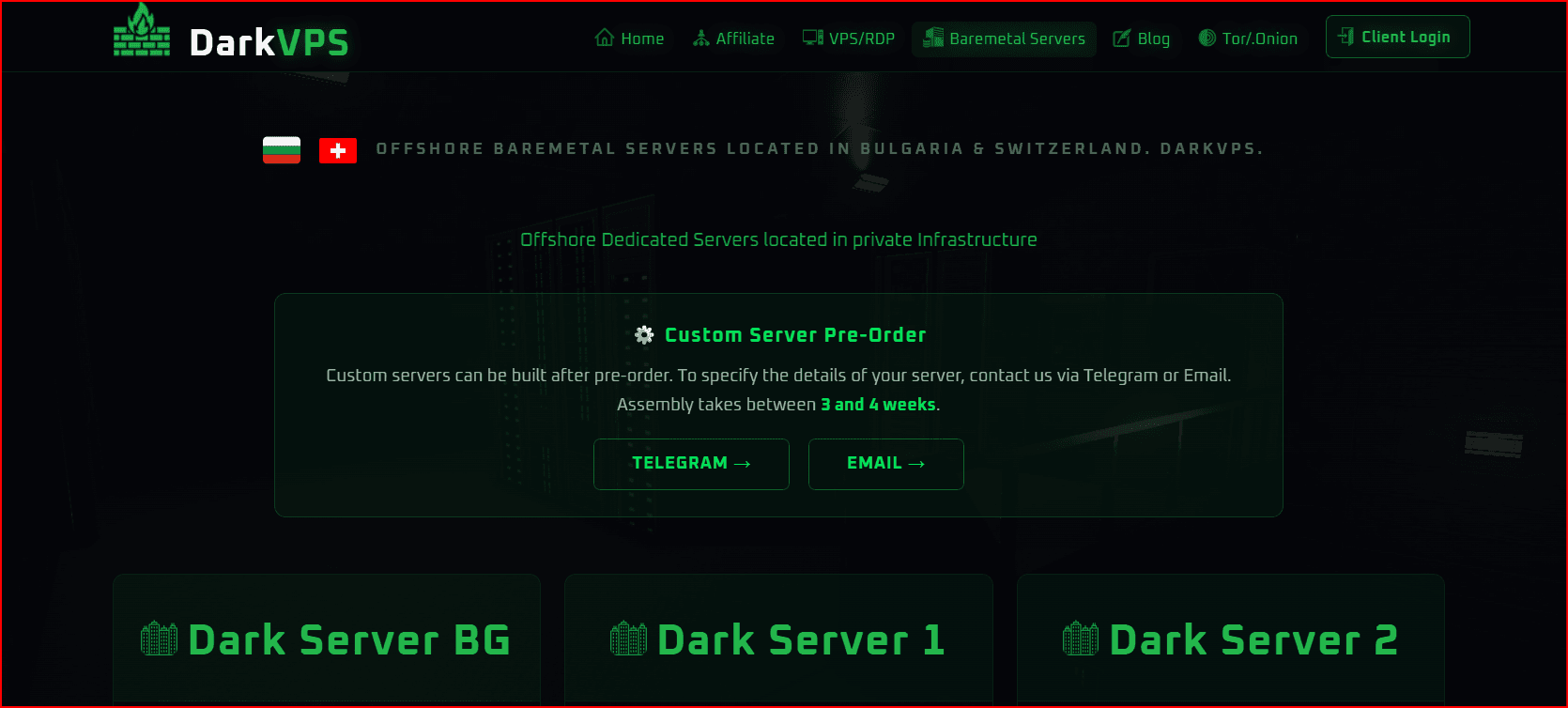
1. DarkVPS
- Website: https://www.darkvps.pro/
- High-performance bare metal and VPS solutions
- Competitive pricing with flexible configurations
Suitable for developers, hosting providers, and high-demand workloads
2. OVHcloud
- Affordable dedicated servers
- Global data centers
- High bandwidth options
3. Hetzner
- Cost-effective European hosting
- Strong performance-to-price ratio
4. IBM Cloud Bare Metal
- Enterprise-grade infrastructure
- Integration with cloud services
5. Equinix Metal
- High-performance infrastructure
- Ideal for hybrid cloud setups
6. AWS Bare Metal (EC2 Metal Instances)
- Combines bare metal with cloud flexibility
- Scalable infrastructure
Hybrid Approach: Best of Both Worlds
Many organizations combine both solutions:
- Use bare metal for critical workloads
- Use hypervisors for flexible applications
This hybrid model balances performance, cost, and scalability.
Conclusion
Bare metal servers and hypervisors serve different purposes. Bare metal delivers unmatched performance and control, while hypervisors provide flexibility and efficiency.
The best choice depends on your workload, budget, and long-term infrastructure strategy. In many cases, a hybrid approach offers the optimal balance.
FAQs
Is bare metal faster than virtual machines?
Yes, because it eliminates the virtualization layer and provides direct access to hardware.
Are bare metal servers more secure?
They offer better isolation, but security still depends on configuration and management.
Can you run a hypervisor on bare metal?
Yes, Type 1 hypervisors run directly on bare metal servers.
Is cloud better than bare metal?
Not necessarily. Cloud offers flexibility, while bare metal excels in performance.

 Multi-Account Management
 Prevent Account Association
 Multi-Employee Management
Recommended
See More