Choosing the Right Marketplace: A Complete Guide for Online Sellers and Buyers
 2026.06.27 20:35
 petro
petroAmazon and eBay are two of the biggest online marketplaces, but they are not designed for the same type of seller or buyer.
Amazon is a product-focused marketplace built around fast delivery, fixed pricing, customer trust, and a retail-style shopping experience. Buyers usually choose Amazon when they want new products, quick shipping, easy returns, and a simple checkout process.
eBay is more flexible. It is popular for used items, refurbished goods, collectibles, auctions, rare products, car parts, vintage items, and one-off inventory. Sellers have more control over listings, descriptions, photos, pricing, and product condition.
For sellers, the right platform depends on product type, profit margins, fulfillment strategy, account structure, competition, and long-term business goals. For buyers, the best choice depends on whether they want speed, price flexibility, rare items, or a more traditional ecommerce experience.
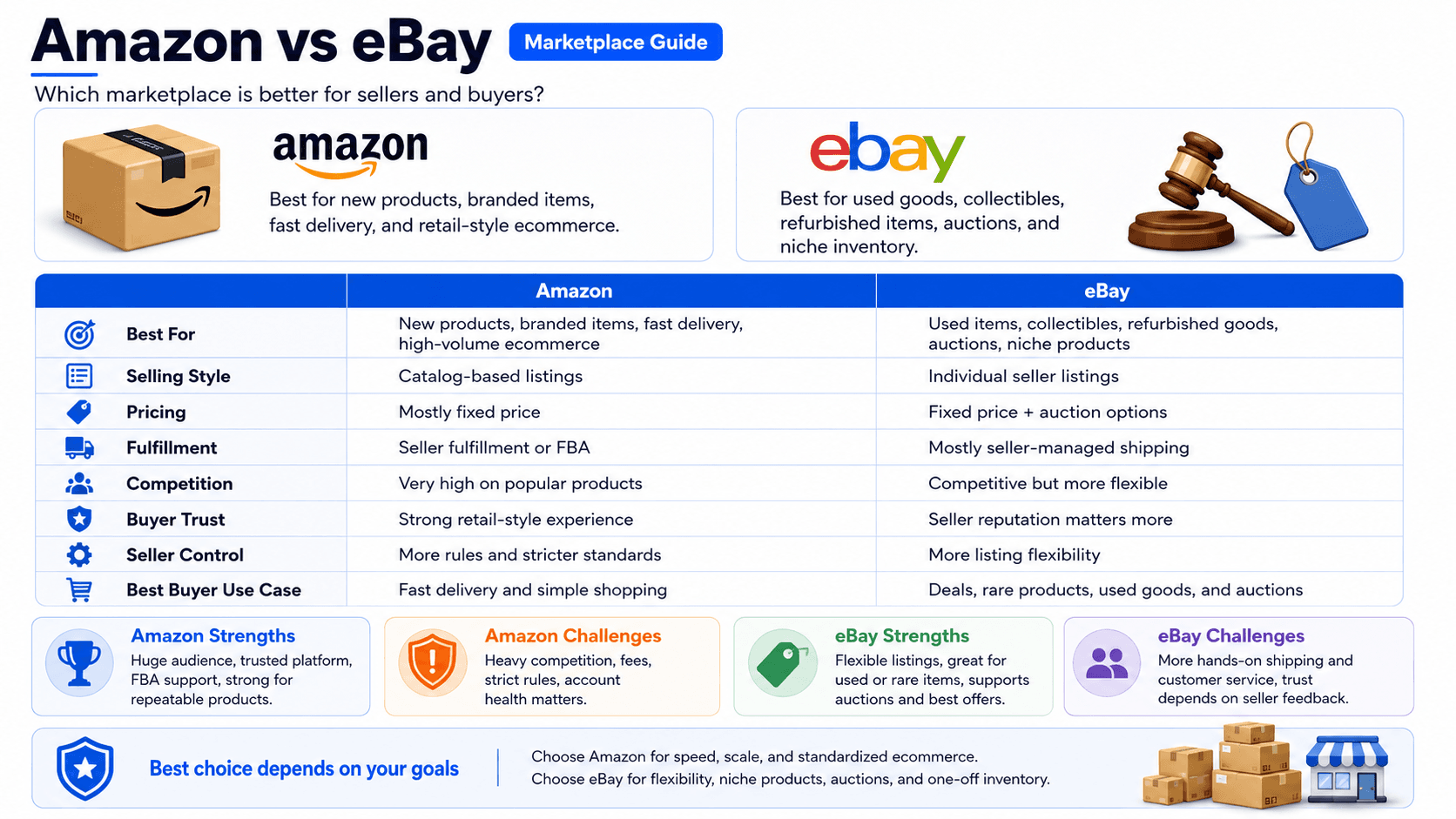
Quick Comparison: Amazon vs eBay
| Feature | Amazon | eBay |
|---|---|---|
| Best For | New products, branded items, fast delivery, high-volume ecommerce | Used items, collectibles, refurbished goods, auctions, niche products |
| Selling Style | Catalog-based product listings | Individual seller listings |
| Pricing | Mostly fixed price | Fixed price and auction options |
| Fulfillment | Seller fulfillment or Fulfillment by Amazon | Mostly seller-managed shipping |
| Competition | Very high on popular products | Competitive but more flexible |
| Buyer Trust | Strong retail-style experience | Strong marketplace protection, but seller reputation matters |
| Seller Control | More rules and stricter standards | More listing flexibility |
| Best Buyer Use Case | Fast delivery and simple shopping | Deals, rare products, used goods, and auctions |
What Makes Amazon Different?
Amazon is built around speed, convenience, and trust. Buyers search for a product, compare offers, check delivery times, and expect a smooth shopping experience.
For sellers, Amazon can be powerful because it provides access to a large audience already ready to buy. Many shoppers begin their product search directly on Amazon.
However, Amazon is also highly competitive. Sellers may compete on the same product page, especially when selling branded or wholesale items. Visibility often depends on price, reviews, inventory availability, shipping speed, advertising, and account performance.
What Makes eBay Different?
eBay gives sellers more freedom in how they present products. Sellers can create individual listings with custom titles, descriptions, photos, shipping options, product condition, and pricing.
This makes eBay useful for:
- Used products
- Refurbished electronics
- Collectibles
- Vintage items
- Car parts
- Rare products
- Limited-edition goods
- Clearance stock
- Products without standard catalog pages
eBay also supports auction-style listings, which can help sellers test demand and discover the market value of rare or high-interest items.
Amazon for Sellers: Pros and Cons
Pros of Selling on Amazon
Amazon gives sellers access to a large and trusted ecommerce audience. Buyers are already familiar with the platform and often purchase quickly when they find the right product.
One major advantage is Fulfillment by Amazon. With FBA, sellers can send inventory to Amazon, and Amazon handles storage, packing, shipping, customer service, and returns. This can help sellers scale faster and focus more on product research, sourcing, and marketing.
Amazon is especially strong for private-label brands, wholesale sellers, and businesses selling repeatable products with consistent demand.
Cons of Selling on Amazon
Amazon can be challenging because competition is intense. Popular categories are crowded, and sellers often need strong pricing, optimized listings, good reviews, and advertising to gain visibility.
Seller costs can also affect profit margins. Expenses may include selling plan fees, referral fees, fulfillment fees, storage fees, advertising costs, return costs, and optional service fees.
Amazon also has strict rules. Account health, late shipments, order defects, intellectual property claims, product compliance, and customer complaints can all affect seller performance.
eBay for Sellers: Pros and Cons
Pros of Selling on eBay
eBay is often easier for beginners. A seller can list individual products without building a large brand, private-label operation, or complex inventory system.
It is especially useful for people selling:
- Used products
- Refurbished items
- Collectibles
- Vintage goods
- Open-box products
- Rare or discontinued items
Sellers can use real product photos, detailed condition notes, auction pricing, fixed pricing, or “best offer” options. This flexibility makes eBay attractive for resellers, collectors, small businesses, and casual sellers.
Cons of Selling on eBay
eBay sellers usually manage more of the process themselves. Shipping, packaging, returns, buyer messages, and listing quality are often handled directly by the seller.
Because eBay listings are more individual, trust depends heavily on seller feedback, product photos, condition accuracy, delivery time, and return policy.
For high-volume sellers, eBay can still require strong organization, inventory tracking, pricing tools, and customer service systems.
The Role of BitBrowser in Multi-Account Ecommerce Management
For ecommerce teams, agencies, virtual assistants, and businesses managing multiple seller profiles, account organization is a major challenge. Switching between Amazon, eBay, supplier dashboards, payment tools, research platforms, and client accounts can become difficult when everything is handled in one normal browser.
This is where BitBrowser can support a more organized multi-account workflow.
BitBrowser is an antidetect browser designed to create separate browser profiles. Each profile can have its own cookies, local storage, browser fingerprint settings, proxy configuration, timezone, language, and login environment.
For ecommerce sellers, this can help separate different workspaces, such as:
- Amazon seller profiles
- eBay seller profiles
- Client ecommerce accounts
- Product research accounts
- Supplier dashboards
- Advertising accounts
- Virtual assistant access
- Regional market testing environments
Instead of logging in and out repeatedly from the same browser, sellers can use isolated profiles to keep work environments separate.
How BitBrowser Helps Amazon and eBay Sellers
BitBrowser can be useful for sellers who need better workflow control, especially when managing multiple brands, stores, or client accounts.
1. Separate Browser Profiles
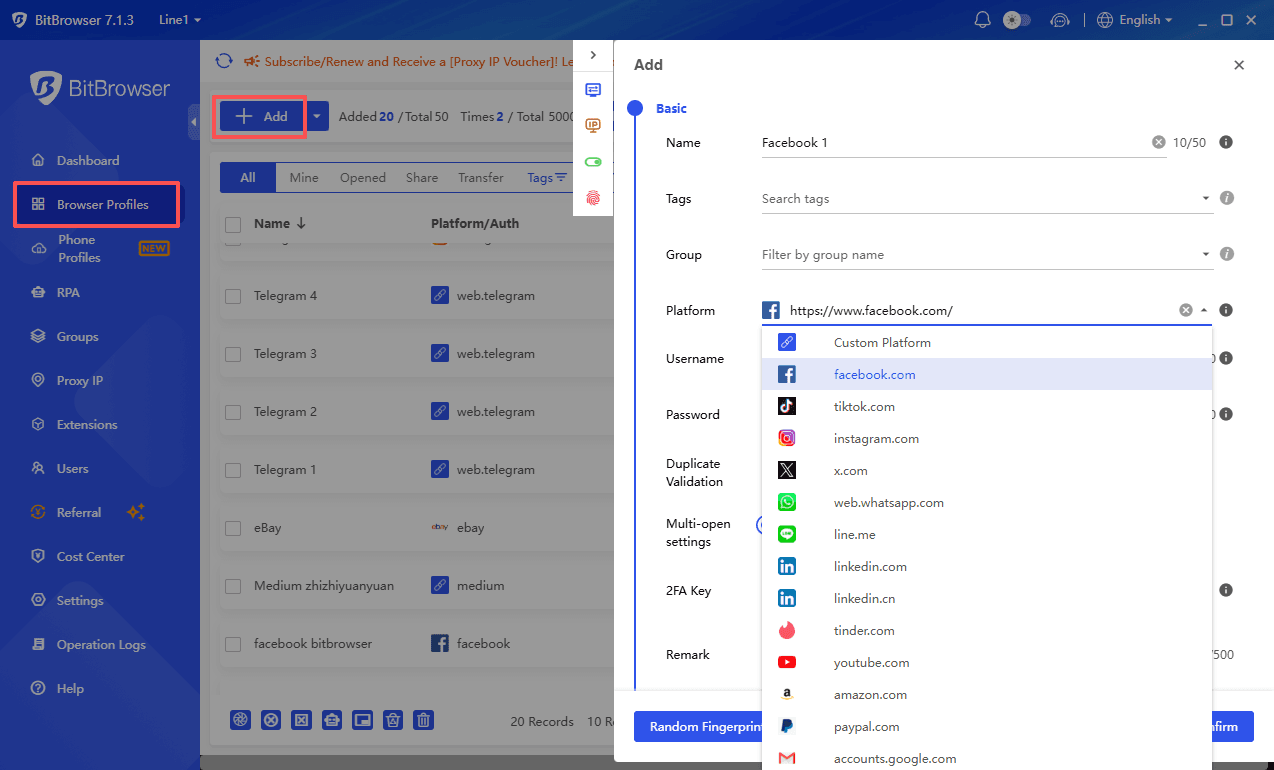
Each browser profile works as an independent environment. This helps sellers avoid mixing cookies, sessions, saved logins, and marketplace dashboards.
For example, an agency managing different ecommerce clients can create one profile for each client workspace.
2. Better Team Organization
Ecommerce teams often include managers, product researchers, customer support agents, listing specialists, and virtual assistants. BitBrowser can help organize access by assigning specific profiles to specific team members.
This can reduce confusion and make account workflows easier to manage.
3. Cleaner Account Management
When multiple accounts are handled from one standard browser, sessions can overlap. This may create login confusion, accidental account switching, or mixed browser data.
With BitBrowser, each account or workspace can be separated into its own profile.
4. Proxy Integration
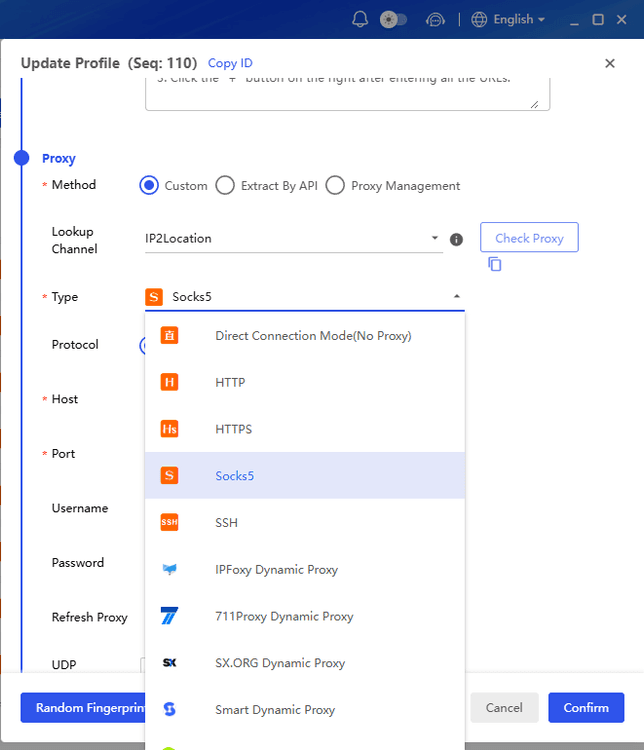
BitBrowser supports proxy configuration for browser profiles. This can be useful for teams working across different regions or managing location-specific ecommerce research.
However, sellers should always use proxies responsibly and follow Amazon, eBay, payment provider, and local legal requirements. Tools should not be used to bypass platform rules, avoid restrictions, or create deceptive activity.
5. Safer Workflow for Agencies
Agencies that manage ecommerce operations for clients need clean separation between accounts. BitBrowser helps create dedicated working environments, which can be useful for client management, account access, research, and operational organization.
Important Compliance Note
BitBrowser should be used as a professional organization tool, not as a way to break marketplace rules.
Amazon and eBay both have policies around seller behavior, account ownership, buyer trust, payment activity, and marketplace abuse. Sellers should always review and follow the official rules of each platform.
Using multiple browser profiles can help with organization, privacy, and team workflow, but it should not be used for fake reviews, duplicate abusive accounts, ban evasion, fraud, marketplace manipulation, or misleading buyer activity.
Responsible account management protects both the seller’s business and the marketplace ecosystem.
Amazon for Buyers
Amazon is usually better for buyers who want convenience. The platform is designed for fast shopping, quick delivery, easy checkout, and simple returns.
Buyers often choose Amazon for:
- New products
- Household items
- Electronics
- Books
- Beauty products
- Office supplies
- Fast delivery
- Easy returns
Amazon is especially strong when speed and convenience matter.
eBay for Buyers
eBay is often better for buyers looking for deals, used products, rare items, or discontinued goods. It is one of the best platforms for finding products that may no longer be available in regular stores.
Buyers often choose eBay for:
- Used electronics
- Vintage clothing
- Collectibles
- Car parts
- Replacement parts
- Refurbished products
- Rare books
- Sneakers
- Watches
The ability to bid, make offers, and compare individual seller listings gives buyers more flexibility.
Fees: Which Platform Is Cheaper for Sellers?
There is no single answer because fees depend on category, price, shipping method, fulfillment method, advertising, and account type.
Amazon can become more expensive when sellers use FBA, storage, advertising, and optional services. However, those costs may be worth it if Amazon generates higher sales volume.
eBay fees are often easier for casual sellers to understand because the main fee is usually based on the final sale amount. However, sellers may also pay for promoted listings, store subscriptions, listing upgrades, international fees, or dispute-related costs.
Before listing products, sellers should calculate all costs, including product cost, shipping, packaging, platform fees, returns, advertising, and taxes.
Which Platform Is Better for Beginners?
For casual sellers, eBay is often easier to start with. A beginner can list a used item, add photos, write a description, set a price, and ship it after sale.
For serious ecommerce businesses, Amazon can be more powerful but also more demanding. It may require product research, inventory investment, advertising, listing optimization, and strict account management.
A simple rule:
Use eBay if you want to sell individual items, used goods, collectibles, or products with flexible pricing.
Use Amazon if you want to build a scalable ecommerce business around new products with repeat demand.
Use BitBrowser if you need to organize multiple ecommerce workspaces, manage client accounts, separate browser sessions, or improve multi-account workflow control.
Final Verdict
Amazon and eBay are both powerful marketplaces, but they serve different needs.
Amazon is best for fast, structured, high-volume ecommerce. It works well for sellers with repeatable products and buyers who want quick delivery and a smooth shopping experience.
eBay is best for flexibility, unique products, used goods, collectibles, and price negotiation. It works well for resellers, casual sellers, collectors, and buyers searching for rare or discounted items.
For sellers managing multiple accounts, client stores, or team workflows, BitBrowser can add another layer of organization by separating browser environments and keeping account sessions clean.
The best choice is not always Amazon or eBay. Many sellers use both platforms, while tools like BitBrowser help them manage accounts more efficiently and professionally.

 Multi-Account Management
 Prevent Account Association
 Multi-Employee Management
Recommended
See More