Rotating vs. Dedicated Proxies: Which One is Right for You?
 2026.01.25 04:25
 petro
petroIn 2026, as web scraping, automation, digital marketing, and account management continue to evolve, selecting the right type of proxy has become more important than ever. Two of the most popular proxy types—rotating proxies and dedicated proxies—serve different purposes. But which one should you go for in today’s landscape?
This guide explores the features, benefits, and drawbacks of each proxy type so you can make an informed decision for your needs.
What Are Rotating Proxies?
Rotating proxies automatically rotate the IP address assigned to your requests either at regular intervals or with each new connection. These proxies typically belong to a larger proxy pool, often containing millions of IPs.
Pros:
High Anonymity: Every request is assigned a different IP, making it nearly impossible to track.
Ideal for Web Scraping: The rotation minimizes the risk of IP bans and CAPTCHAs.
Scalable: Perfect for handling large volumes of requests simultaneously without raising red flags.
Geo-targeting: Many services provide rotating IPs from multiple regions, which is useful for regional data collection.
Cons:
Session Inconsistency: Not ideal for maintaining persistent sessions (e.g., logging into the same account over time).
Slower Connections: Due to frequent IP switching, some latency may occur.
Shared IP Risk: Because the IP pool is shared, your IP might be flagged if others misuse the same IP.
What Are Dedicated Proxies?
Dedicated proxies (also known as static or private proxies) provide a single, static IP address exclusively for your use for a fixed period.
Pros:
Stable Identity: Ideal for account management and scenarios where maintaining login sessions is essential.
Faster Speed: Since the IP remains the same, you typically experience lower latency and more stable connections.
Reduced Risk of Flagging: Dedicated IPs are less likely to be flagged by websites when used responsibly.
Consistent Geo-location: Perfect for long-term automation or tasks that require a consistent region or IP.
Cons:
Higher Cost: Dedicated proxies are generally more expensive than shared or rotating proxies.
Limited Scalability: They aren’t the best option for large-scale scraping projects.
Easier to Detect: Multiple requests from the same IP over time may raise suspicion.
Side-by-Side Comparison
| Feature | Rotating Proxies | Dedicated Proxies |
|---|---|---|
| IP Type | Changes regularly | Static |
| Best For | Web scraping, SEO, ticketing, sneakers | Account management, ad verification |
| Anonymity | Very High | Medium to High |
| Session Control | Difficult | Easy |
| Speed | Variable | High |
| Risk of Ban | Low (per IP) | Medium |
| Cost | Lower (typically shared) | Higher |
| Geo-Targeting | Broad & flexible | Fixed location |
Which One Should You Choose?
Choose Rotating Proxies If You:
Need to scrape large websites or perform automated data collection at scale.
Are running SEO monitoring tools or market research automation.
Are operating sneaker bots, ticket scalping, or similar tools.
Need to bypass rate limits or geo-restrictions quickly.
Choose Dedicated Proxies If You:
Manage multiple social media, e-commerce, or ad accounts.
Run long-term automation or bots that require consistent login sessions.
Want to ensure a reliable IP reputation and avoid bans.
Need consistency in location and identity for testing, ad verification, or content management.
Hybrid Solutions: Best of Both Worlds?
In 2026, some advanced providers offer hybrid solutions that combine rotating residential proxies with sticky sessions. This approach allows you to rotate your IPs while maintaining the same one for a limited time (e.g., 5 to 30 minutes). This hybrid model strikes a balance between session persistence and IP rotation, making it ideal for workflows that require both.
Final Verdict: No One-Size-Fits-All
Choosing the right proxy depends on your specific needs, budget, and the scale of your project.
Rotating proxies are the way to go for high anonymity, large-scale scraping, or frequent IP rotation.
Dedicated proxies are the better choice for stable accounts, consistent logins, and long-term automation.
At PROXIES & our BitBrowser , we recommend testing both proxy types to see which works best for your workflow. In many cases, combining both rotating and dedicated proxies may give you the flexibility you need to optimize your operations.
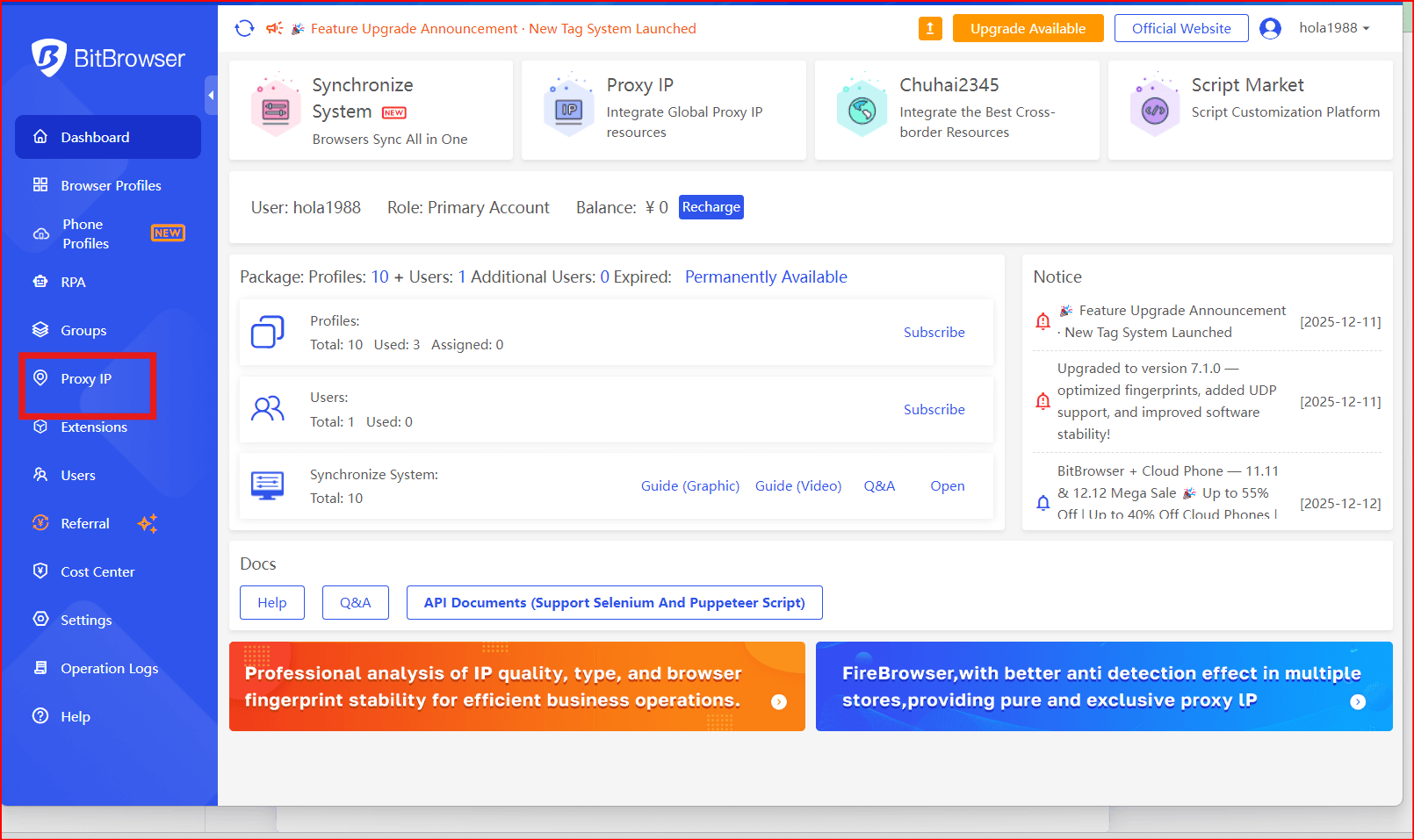
Recommended Providers (2026 Picks)
Rotating Proxies: Smartproxy, Oxylabs, nsocks.net and globalproxies
Dedicated Proxies: Bright Data, Webshare, StormProxies
When you select the right proxy solution, you’re positioning your operations for success in 2026 and beyond.

 Multi-Account Management
 Prevent Account Association
 Multi-Employee Management
Recommended
See More