Top Mobile Proxy Providers in the USA 2026 for Web Scraping & Automation
 2026.01.24 08:11
 petro
petroIn 2026, mobile proxies have become a necessity for anyone looking to maintain high anonymity, bypass geo-restrictions, scrape data safely, or manage multiple accounts online. Unlike traditional datacenter or residential proxies, mobile proxies use real 4G and 5G IPs assigned by genuine mobile carriers, making them far less likely to be flagged or blocked. This makes them the gold standard for marketers, researchers, and automation professionals.
In this guide, we’ll review the top 10 mobile proxy providers in the USA, including their features, speed, coverage, and suitability for different use cases. By the end, you’ll have a clear roadmap to choose the provider that fits your needs.
Why Mobile Proxies Are Essential in 2026
Mobile proxies are unique because they:
Use real mobile IPs: Each IP is assigned by carriers like Verizon, AT&T, or T-Mobile. Unlike residential proxies, these IPs are almost indistinguishable from a real smartphone’s connection.
Offer strong anonymity: Mobile IPs rotate frequently, reducing the risk of bans or CAPTCHAs.
Enable geo-targeting: Many providers allow city-level targeting, which is crucial for testing apps, verifying ads, or market research.
Support high-speed connections: 4G and 5G speeds make mobile proxies suitable for automation, streaming, or large-scale scraping projects.
Work with multiple protocols: Modern mobile proxies support HTTP/S, SOCKS5, UDP, VPN protocols, and even QUIC or VLESS.
Whether you’re managing multiple social media accounts, performing SEO monitoring, scraping websites, or conducting ad verification, mobile proxies are the most reliable solution.
Top 10 Mobile Proxy Providers in the USA (2026)
1. GlobalProxies.net — Best Overall
Proxy type: Real 4G & 5G mobile IPs
Carrier coverage: Verizon, AT&T, T-Mobile
Locations: California, Texas, Florida, New York, Phoenix, Chicago
Speeds: 4G: 20–45 Mbps, 5G: 50–100 Mbps
IP rotation: Automatic (every 5 minutes) + manual API control
Protocols: HTTP/S, SOCKS5, UDP, OpenVPN, V2Ray/VLESS, QUIC
Daily bandwidth: 15 GB per proxy
Pros: Instant delivery, advanced protocol support, reliable USA coverage
Best for: Professional workloads, automation, scraping, ad verification
GlobalProxies.net earns the #1 spot due to its carrier-grade IPs, stable speeds, flexible rotation, and broad protocol compatibility. The service delivers instant access, making setup quick and hassle-free.
2. Bright Data
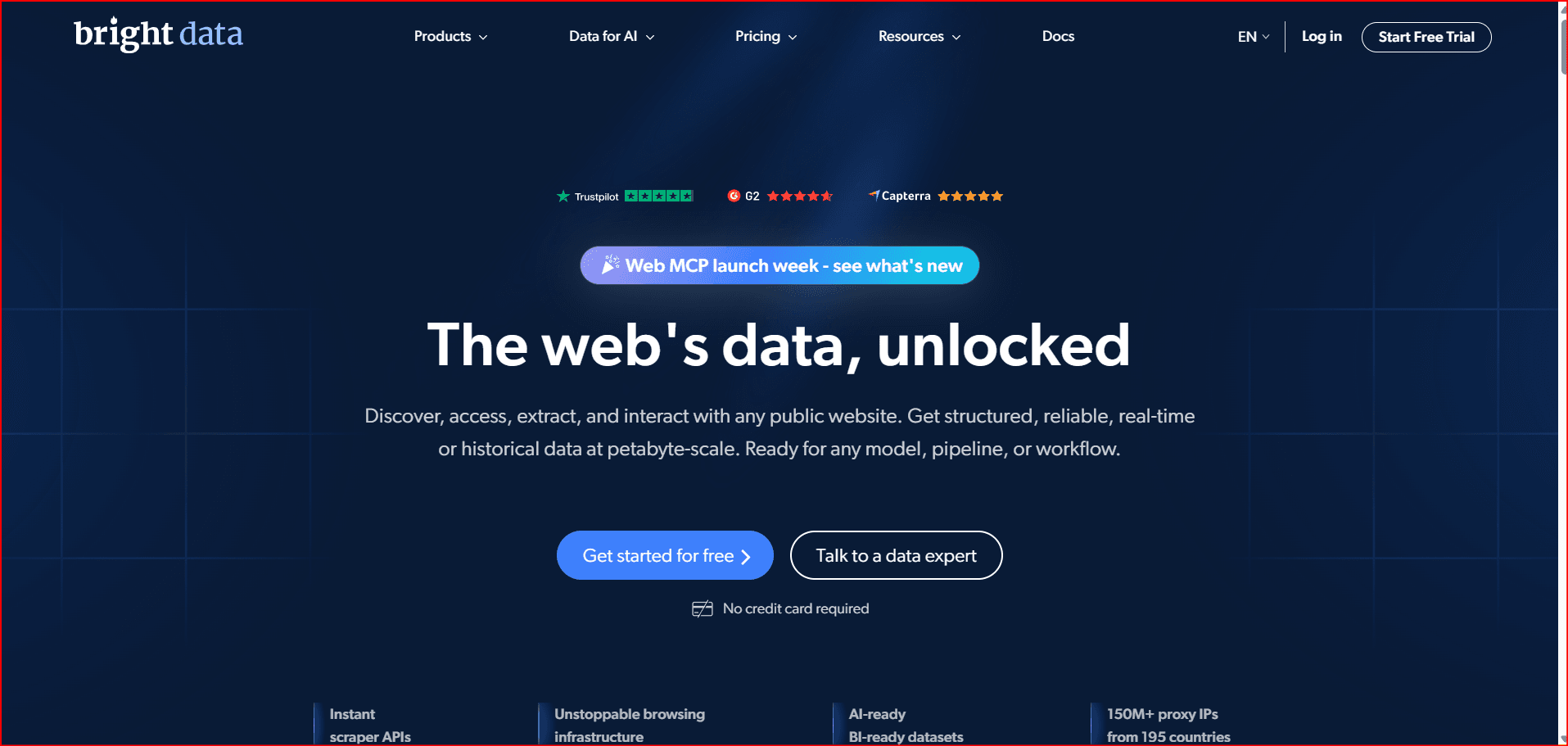
Pros: Massive IP pool, advanced targeting, enterprise-grade solutions
Cons: Expensive, complex setup for beginners
Best for: Large-scale scraping, enterprise automation
Bright Data is an industry leader with unmatched coverage and targeting capabilities. While the pricing is high, its global IP pool and reliability make it ideal for companies running large automation projects.
3. Oxylabs
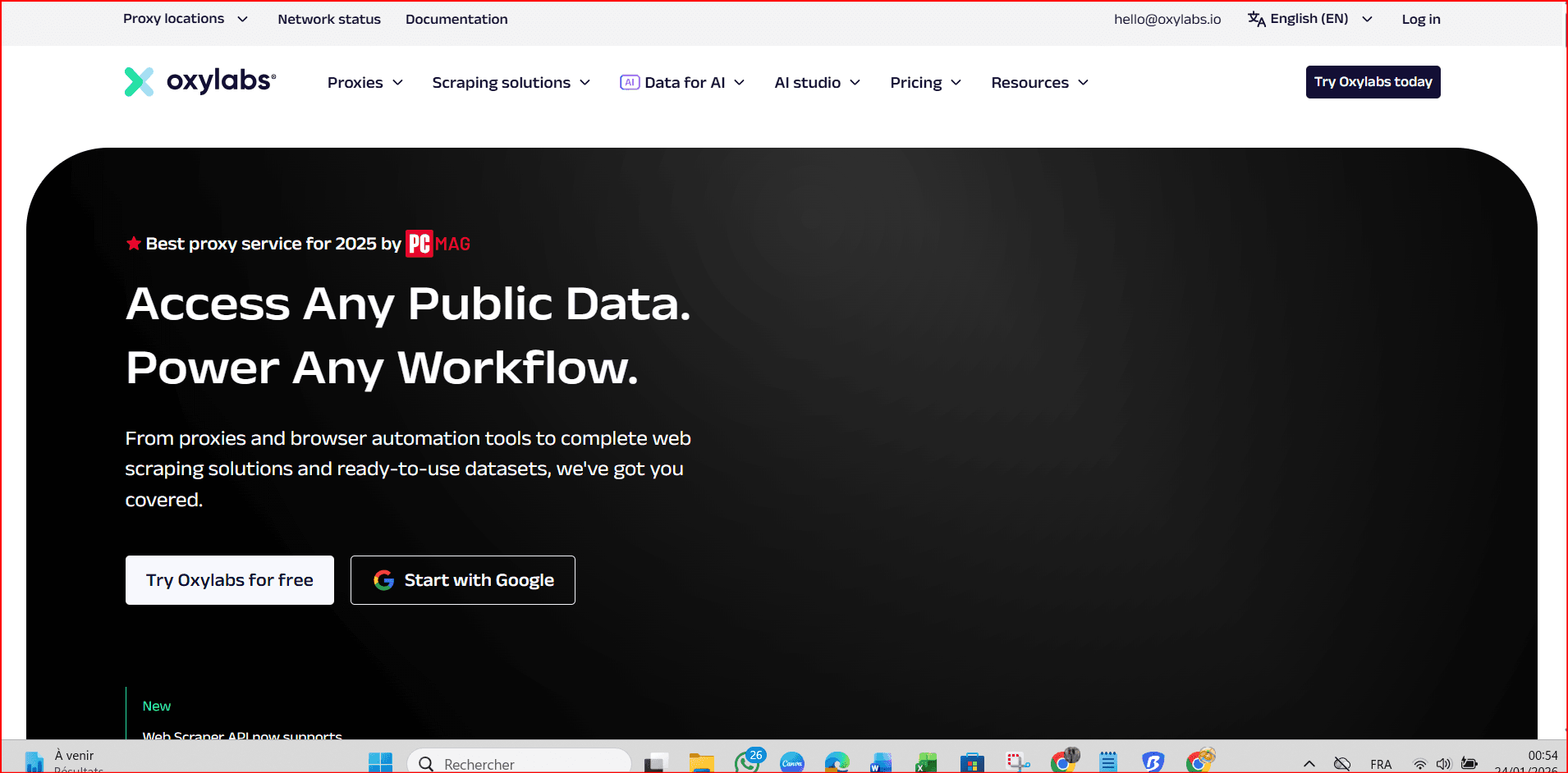
Pros: Stable infrastructure, reliable for enterprise-scale projects
Cons: Limited flexibility, high cost
Best for: Large businesses, high-volume scraping
Oxylabs focuses on enterprise-level solutions, offering high uptime and dependable performance. Its mobile proxies are robust, but smaller users may find the pricing prohibitive.
4. SOAX
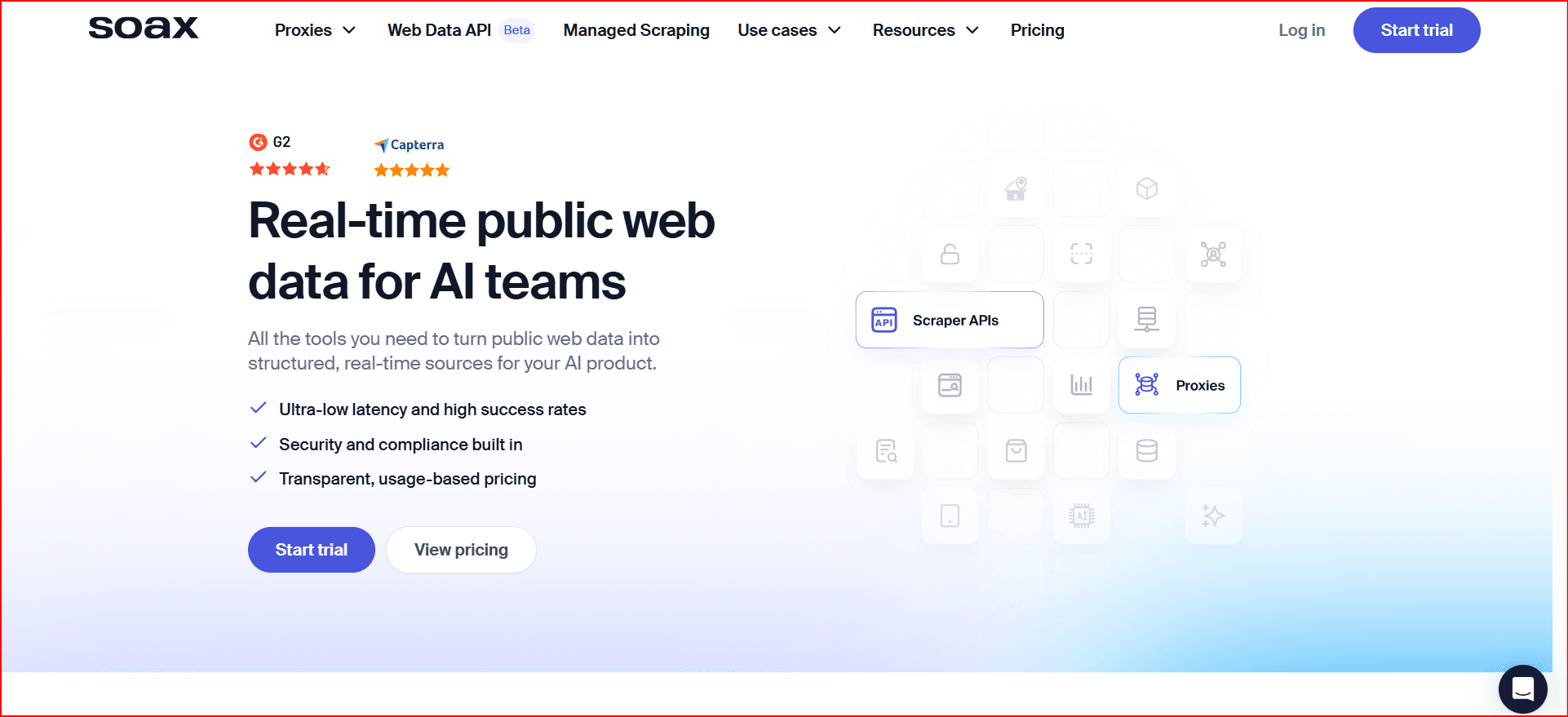
Pros: Clean IPs, country-level targeting, flexible subscription options
Cons: Slower speeds, fewer protocol options
Best for: Mid-level scraping, ad verification, marketing teams
SOAX provides flexible filtering options, letting you select proxies by carrier, location, and type. It’s ideal for businesses that need reliable IPs without a massive investment.
5. NetNut
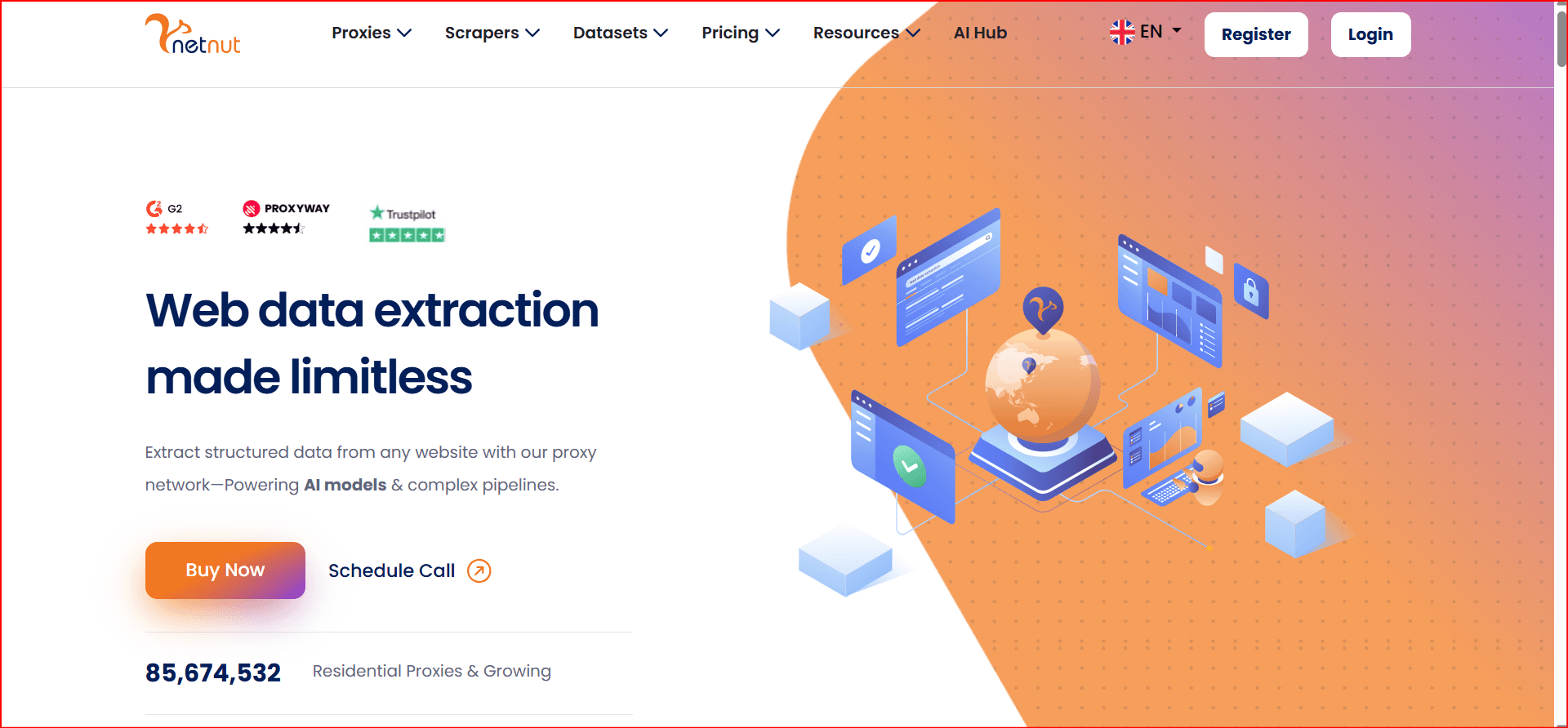
Pros: ISP-based proxy routing, stable uptime
Cons: Limited mobile locations, less rotation control
Best for: Stable scraping or automation with specific carrier requirements
NetNut leverages ISP-based routing, giving stable and reliable connections for users who value uptime over flexibility.
6. Decodo / Smartproxy
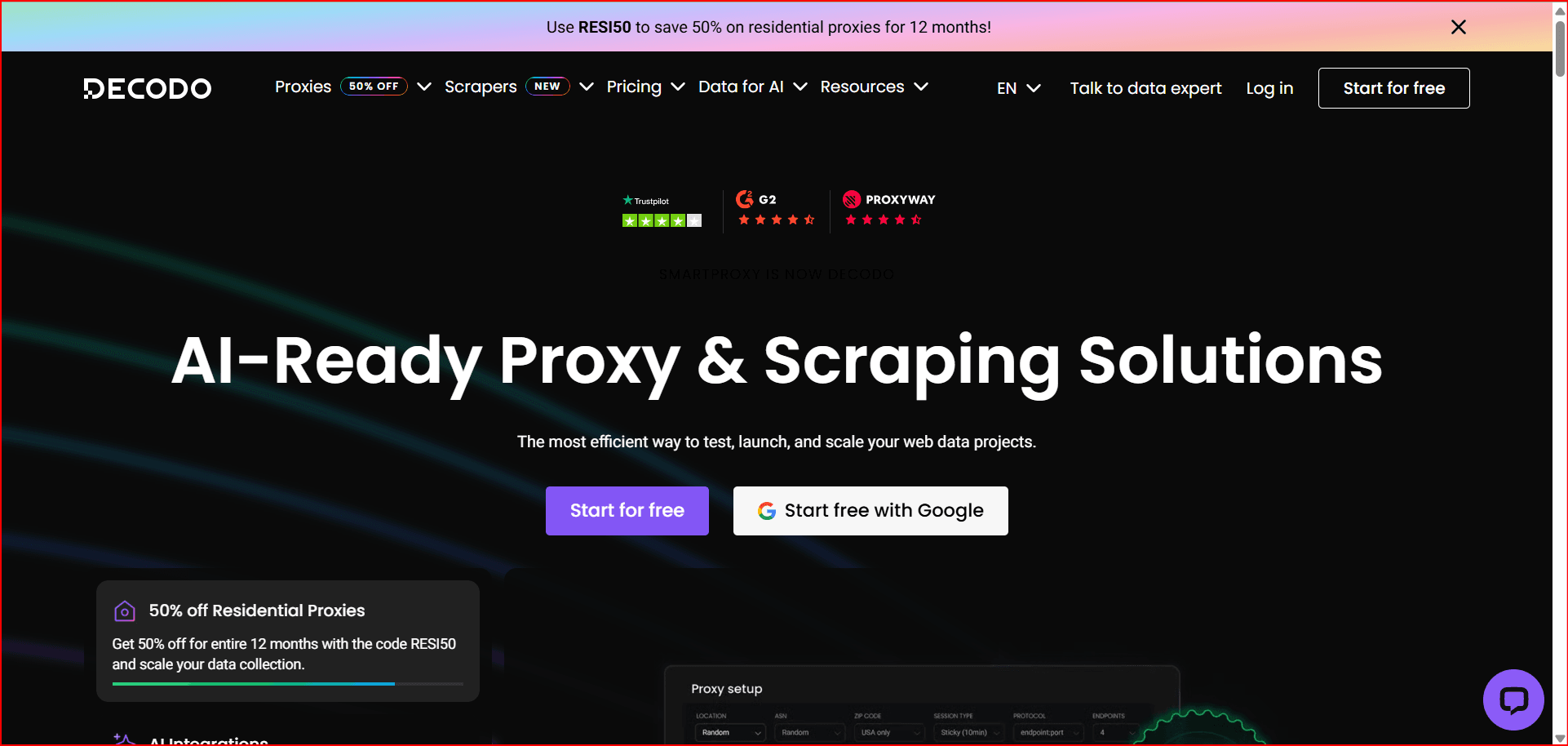
Pros: Easy-to-use, affordable pricing
Cons: Less specialized in mobile proxies, limited advanced features
Best for: Marketers, small businesses, beginners
Smartproxy (Decodo) offers residential and mobile options at competitive prices. While not as specialized in mobile proxies, it’s a great choice for entry-level users._
7. IPRoyal
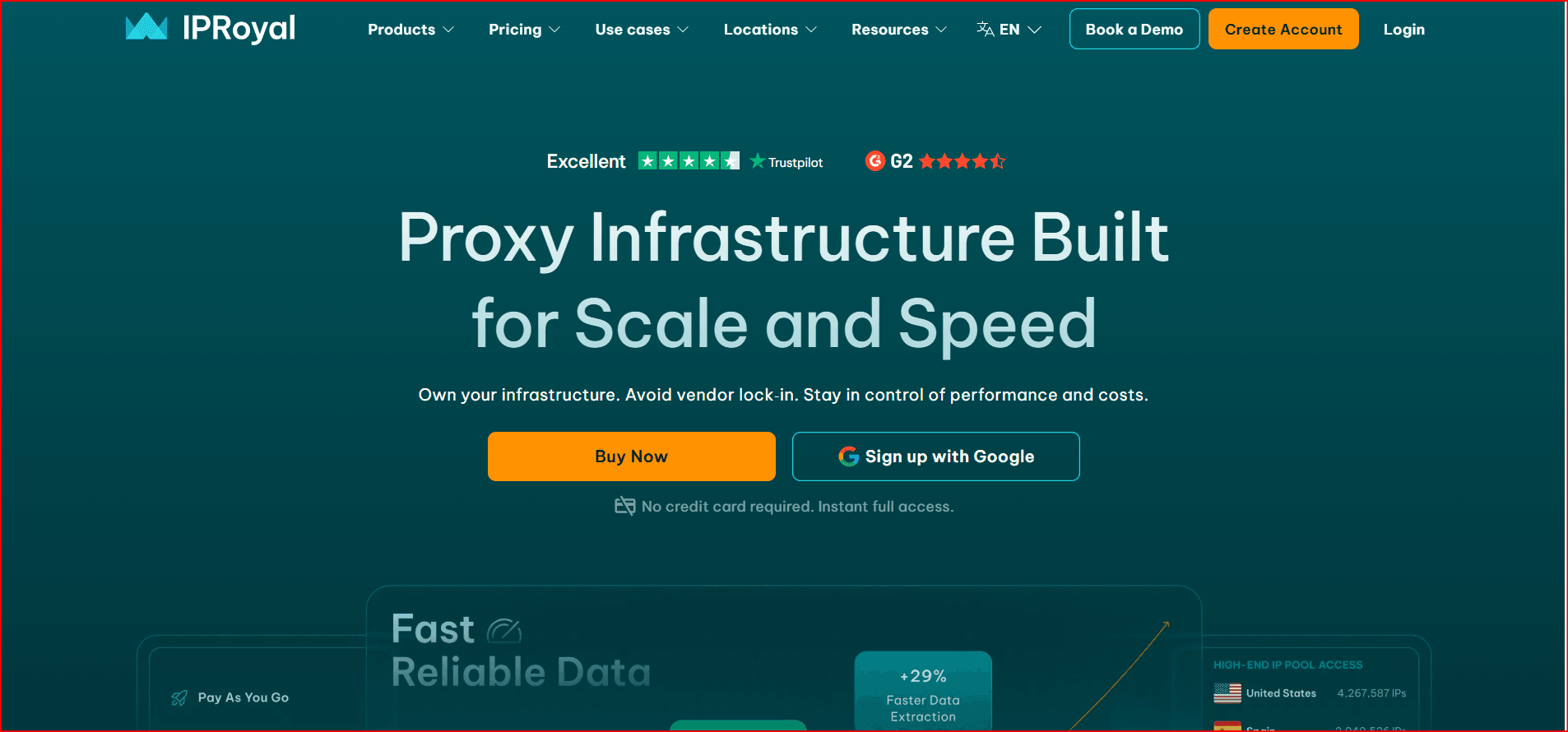
Pros: Residential + mobile proxies, simple dashboard
Cons: Smaller IP pool, lower daily bandwidth
Best for: eCommerce, sneaker bots, small-scale automation
IPRoyal is user-friendly, allowing beginners and small businesses to leverage mobile proxies without technical headaches.
8. ProxyEmpire
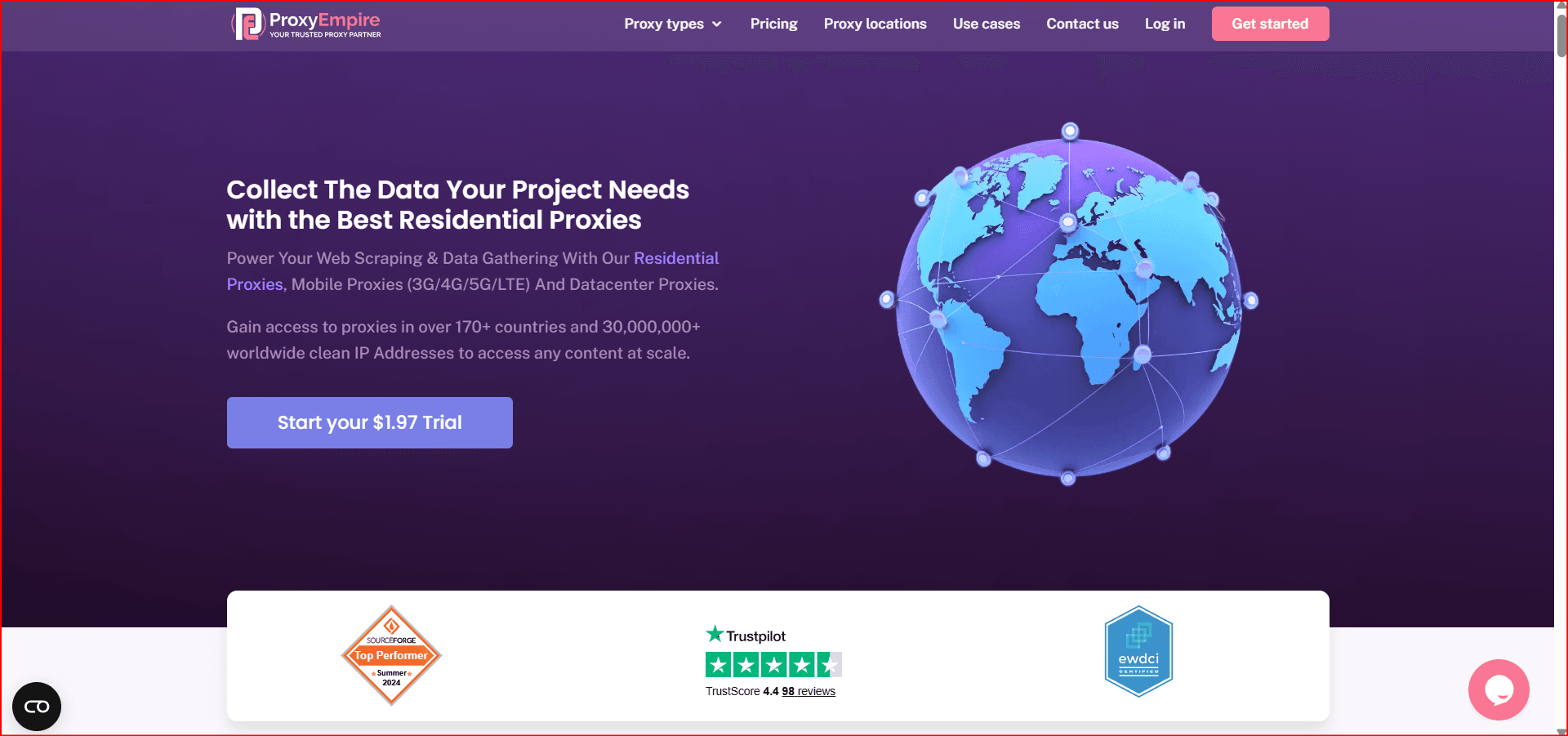
Pros: Flexible pay-as-you-go pricing
Cons: Smaller network, inconsistent speeds
Best for: Occasional users, pay-per-use scenarios
ProxyEmpire is perfect for users who don’t need a full subscription and prefer flexible payment plans.
9. Shifter
Pros: Unlimited bandwidth plans, simple setup
Cons: Limited rotation control, not optimized for advanced mobile use
Best for: Users who need basic rotating proxies
Shifter offers simple and unlimited plans, but lacks the advanced mobile features professional users may need.
10. Storm Proxies
Pros: Affordable, beginner-friendly
Cons: Limited performance for professional workloads
Best for: Hobbyists, small projects
Storm Proxies is an entry-level solution, suitable for those just experimenting with mobile proxies without high demands.
Key Features to Consider in 2026
When choosing a mobile proxy provider, focus on:
Real carrier IPs: Ensure the provider uses authentic 4G or 5G IPs.
IP rotation control: Automatic + on-demand rotation reduces detection risks.
Speed stability: Peak numbers are less important than consistent performance.
Protocol support: HTTP/S, SOCKS5, UDP, VPN, and modern protocols like QUIC.
City-level targeting: Crucial for geo-restricted tasks or ad verification.
Data limits: Check daily or monthly bandwidth caps to avoid throttling.
Ease of use: Simple dashboards and instant setup save time.
ommon Use Cases for Mobile Proxies
Social media automation: Manage multiple accounts safely without being banned.
Web scraping: Collect data from websites that block datacenter or residential IPs.
Ad verification: Ensure ads display correctly across carriers and cities.
Market research: Test apps, pricing, and regional campaigns with location-specific IPs.
Sneaker bots & eCommerce: Avoid bans when purchasing limited items or verifying stock.
Why BitBrowser + Mobile Proxies Are a Winning Combo
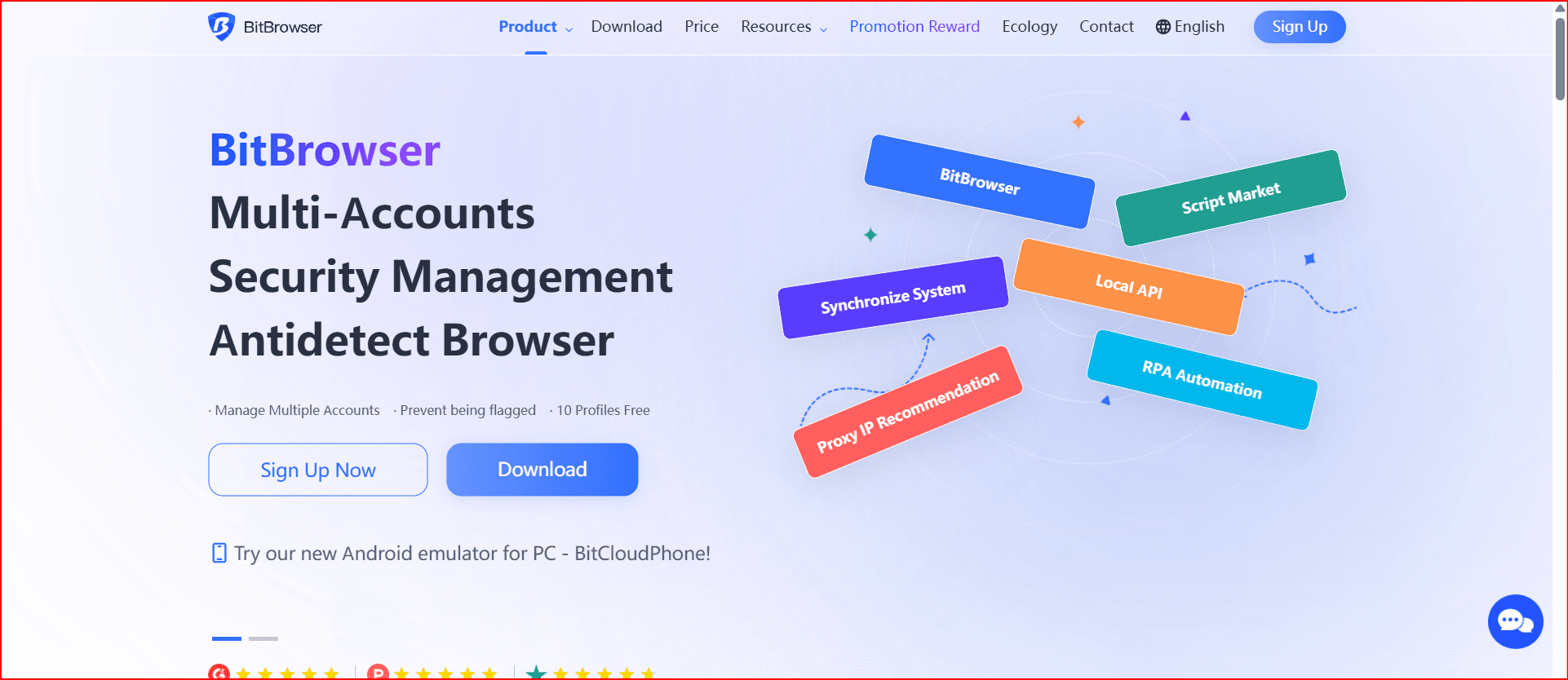
Reduced Detection: Mobile proxies provide real IPs while BitBrowser hides browser fingerprints. Together, they simulate real human browsing.
Seamless Account Management: Run multiple accounts without triggering security flags.
Improved Data Scraping: Collect data from websites that block traditional residential or datacenter proxies.
Enhanced SEO & Marketing Tools: Test ads, track rankings, and verify campaigns with precise geo-targeting.
Conclusion
Mobile proxies in 2026 are no longer optional—they’re a must-have tool for professional automation, marketing, and scraping. Among the top providers, GlobalProxies.net stands out for its reliability, speed, real carrier IPs, and advanced protocol support.
Other providers like Bright Data, Oxylabs, and SOAX serve enterprise users, while Smartproxy, IPRoyal, and Storm Proxies are better suited for small businesses or beginners.
By evaluating speed, rotation, protocol support, and pricing, you can select the right mobile proxy for your workflow and ensure seamless, secure online operations

 Multi-Account Management
 Prevent Account Association
 Multi-Employee Management
Recommended
See More