How to Use IPTorrents Effectively and Safely: The Ultimate Guide (2026)
 2026.02.25 10:21
 YT.Shi
Private trackers promise faster downloads, higher file quality, and stronger communities than public torrent sites. But they also come with strict rules and real consequences when mistakes happen.
Using IPTorrents safely is less about technical tricks and more about consistency. Your behavior, environment, and download habits all shape how trackers evaluate your account over time.
This guide explains how IPTorrents works in 2026, what beginners often misunderstand, and how to build a workflow that keeps your account healthy long term.
What IPTorrents Is and Why It’s Different
IPTorrents is one of the larger private torrent trackers. It hosts .torrent files (and sometimes magnet links) and coordinates peers via a tracker. It is “private” because:
● You need an account to access torrents
● It tracks your upload and download stats
● It enforces a share ratio (and other rules)
● It usually requires you to seed for a minimum time or until a ratio target
Private tracker basics (in plain terms)
On a public tracker, you download, you might seed a bit, and nobody cares. On a private tracker:
● Your account is your identity inside that ecosystem.
● Your ratio is your reputation.
● The tracker logs what you downloaded, how much you uploaded, your client, and often your IP history.
● People expect you to seed back. Not necessarily forever, but responsibly.
A private tracker is not automatically “anonymous” either. It is just gated and monitored.
The mental model that helps
Think of IPTorrents like a members only library with a checkout desk.
● You can borrow books (download).
● You are expected to return something of equal value (upload by seeding).
● If you keep borrowing and never return, you lose membership.
That is it. The rest of the rules are basically enforcement.
Is Using IPTorrents Legal?
Using IPTorrents itself is not illegal. Torrenting is simply a file distribution method used for both legal content, like open source software, and copyrighted material.
Legal risk depends on what you download and share. Because torrents upload data to other peers, downloading copyrighted files without permission may be treated as distribution. Some countries enforce this more strictly and have blocked access to major torrent trackers, including the United Kingdom, Denmark, the Netherlands, and Norway, where tracker sites may be restricted by ISPs.
Private trackers offer better communities but do not change copyright laws. The safest approach is to understand local rules, avoid impulsive downloading, and keep usage consistent rather than assuming private trackers provide legal protection.
How to Join IPTorrents in 2026
This changes over time depending on invites, signups, and how the tracker is operating. In 2026, the realistic ways people join are usually:
1. Invite from a current member (best)
● You get an invite code or invite email.
● You register.
● You follow the rules from day one.
If someone invites you, treat it seriously. If you get banned, you can get them in trouble too on some trackers. Even when it is not official, it is social reality.
2. Official signup windows (less common)
Sometimes they open registration. When they do, it can fill quickly.
3. “Donation” or paid entry (varies by tracker policy)
Some trackers offer a paid route. I am not here to argue for or against it. Just know that “paid access” does not mean “paid immunity.” You still get banned for ratio cheating, multi accounts, or sloppy behavior.
Before you register, do this quick prep
This sounds boring, but it prevents dumb mistakes.
Pre signup checklist
● Pick one primary device you will use to access IPT (at least initially).
● Decide if you will use a VPN for browsing the site (often fine) vs torrenting traffic (depends on rules and your setup).
● Choose a torrent client and stick to it.
● Make a dedicated email for tracker accounts.
● Plan your seeding strategy so you do not panic later.
That last point matters. Most beginners get in trouble because they download first and think later.
Official Site, Proxies, and Mirrors of IPTorrents
The main entry point for IPTorrents is its official domain, which typically follows the iptorrents.com format. Because private trackers sometimes face domain blocks or downtime, users often rely on alternative access points.
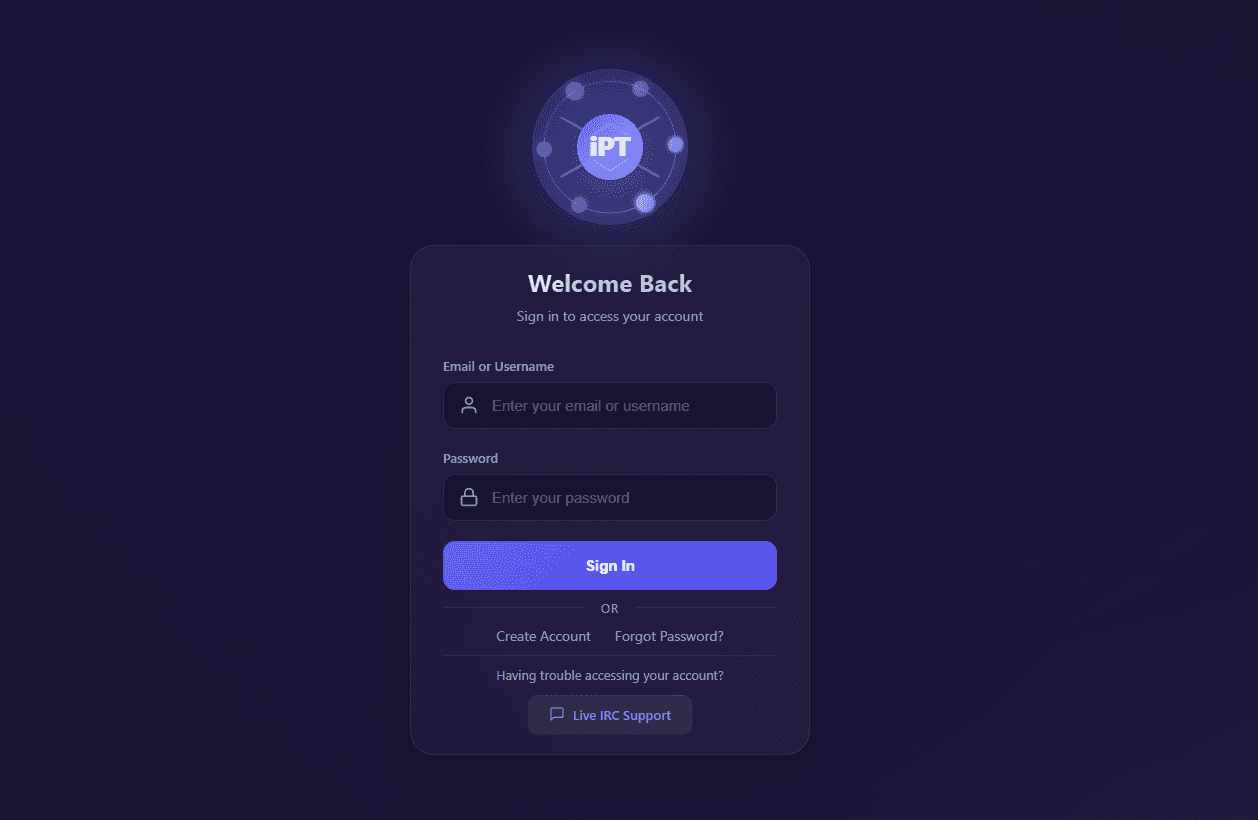
Common access options include:
● Official primary domain (available after login or via invite links): iptorrents.com
● Community shared proxy links that redirect to the main site: nemo.iptorrents.com
● Mirror domains that replicate the interface during outages: iptorrents.me; ip.getcrazy.me; ipt.cool; ipt.lol; iptorrents.us; iptorrents.eu; ipt.world; ip.findnemo.net; ip.workisboring.net
These links change frequently, so it is safer to get them from trusted sources such as the tracker’s internal forums, official announcements, or reputable private tracker communities rather than random public lists.
When using proxies or mirrors, keep your environment consistent. Logging into the same account through many different domains, devices, or network setups can create unusual patterns. Bookmark a working link and avoid constantly switching unless necessary.
Understanding ratio, freeleech, and bonus points
Your ratio is not a vibe. It is math. And it will decide if you have a good time.
Ratio explained
Ratio = total uploaded / total downloaded.
● Download 100 GB
● Upload 50 GB
● Ratio = 0.5
Most private trackers expect you above a minimum, often around 1.0. Sometimes lower if you meet seed time or bonus requirements. IPT has its own rules, so read the FAQ once inside.
Beginner mistake: grabbing a few huge packs immediately and nuking your ratio before you have any upload capacity.
Freeleech (your best friend if you use it correctly)
Freeleech means the download does not count against your downloaded total (or counts partially), while upload still counts. So it is a way to build ratio.
Practical workflow: how to use freeleech well
1. Sort torrents by freeleech tag.
2. Pick content with high demand and lots of snatches.
3. Prefer newer uploads (more initial swarm activity).
4. Seed immediately and keep it seeding as long as you can.
You are not “gaming” the system. You are literally doing what freeleech is designed for: boosting seeding.
Bonus points (the quiet ratio engine)
Many trackers reward seeding with bonus points. You can exchange them for upload credit, invites, or perks. The longer you seed, especially rare torrents, the more points you earn.
What earns points well:
● Seeding many torrents consistently.
● Keeping torrents seeding long term.
● Seeding torrents with fewer seeders.
● Having good uptime.
Beginner mistake: seeding only a few popular torrents. Upload spikes early, then stalls. Points come from consistency and library size.
Best torrent client for IPTorrents (2026)
Private trackers care about two things with clients:
1. Your client is allowed (whitelist)
2. Your client behaves correctly (no cheating, no weird announce behavior)
Always check IPTorrents’ allowed client list inside your account. It changes.
Recommended clients (typical choices)
In 2026, common private tracker friendly clients include:
● qBittorrent (widely used, open source, solid controls)
● Transmission (lightweight, more common on servers)
● rTorrent (seedbox classic)
● Deluge (still used, varies by setup)
Avoid random sketchy “modded” clients. Even if they promise speed. That is how people get banned.
One important thing: bind your VPN to the client (if you use a VPN)
If you use a VPN for torrenting, bind it. Otherwise, your VPN disconnects for 10 seconds and your real IP leaks in the swarm.
How to Stay Safe on Private Trackers like IPTorrents
Safety on private trackers is often reduced to hiding your IP, but most enforcement decisions are influenced by behavior patterns.
Signals that commonly affect account safety include frequent environment changes, multiple accounts appearing related, inconsistent download habits, and sudden ratio spikes that do not match normal activity.
Many bans are not triggered by a single mistake but by patterns that look shared, automated, or unstable. The core principle behind long‑term stable accounts is identity consistency.
Simple safety checklist
● Use a stable IP setup whenever possible
● Avoid logging in from many devices randomly
● Keep download and seeding behavior predictable
● Separate different tracker workflows instead of mixing everything together
Using Identity Isolation to Keep Accounts Separate
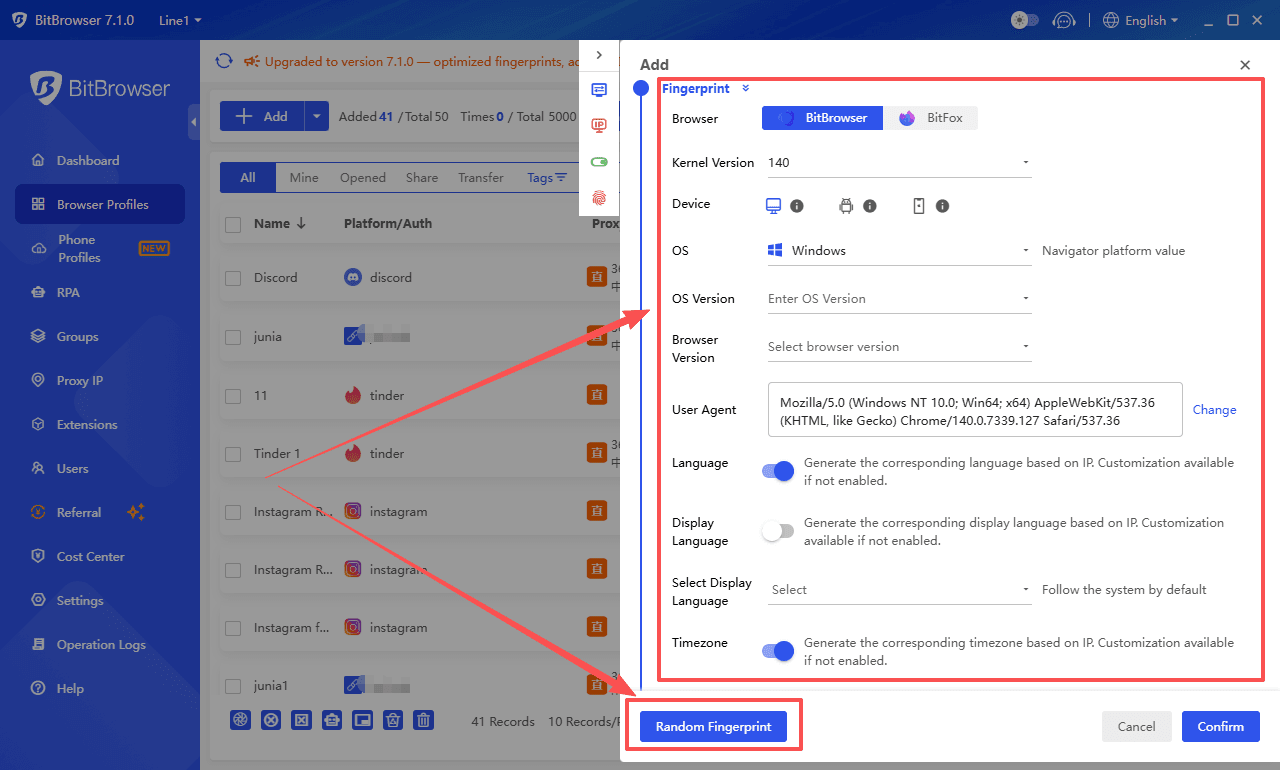
As trackers increasingly analyze behavioral signals, device fingerprint and browser environment become part of that identity. Logging multiple tracker accounts in the same browser, mixing everyday browsing with tracker activity, or frequently changing system fingerprints can create links even when users do not intend it.
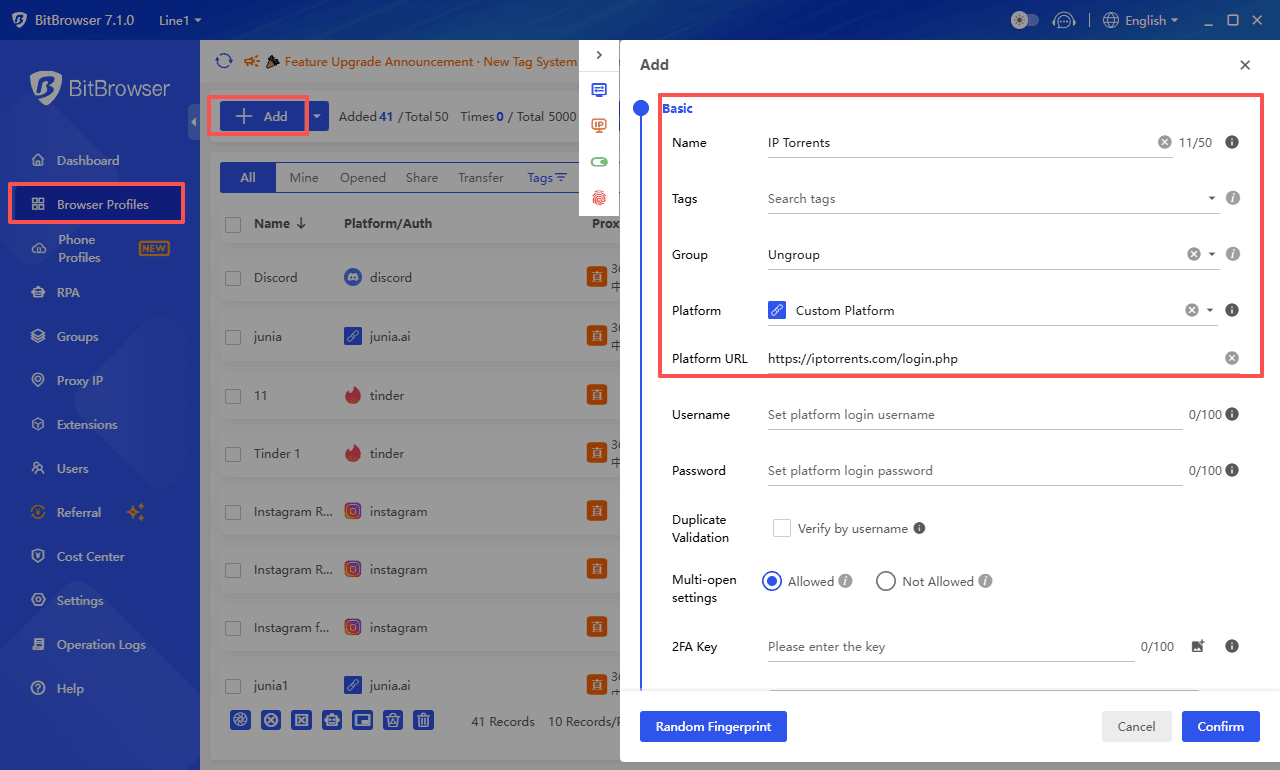
Anti‑detect browsers allow separate browser profiles that function like independent devices, each with its own cookies, fingerprint, and session history.
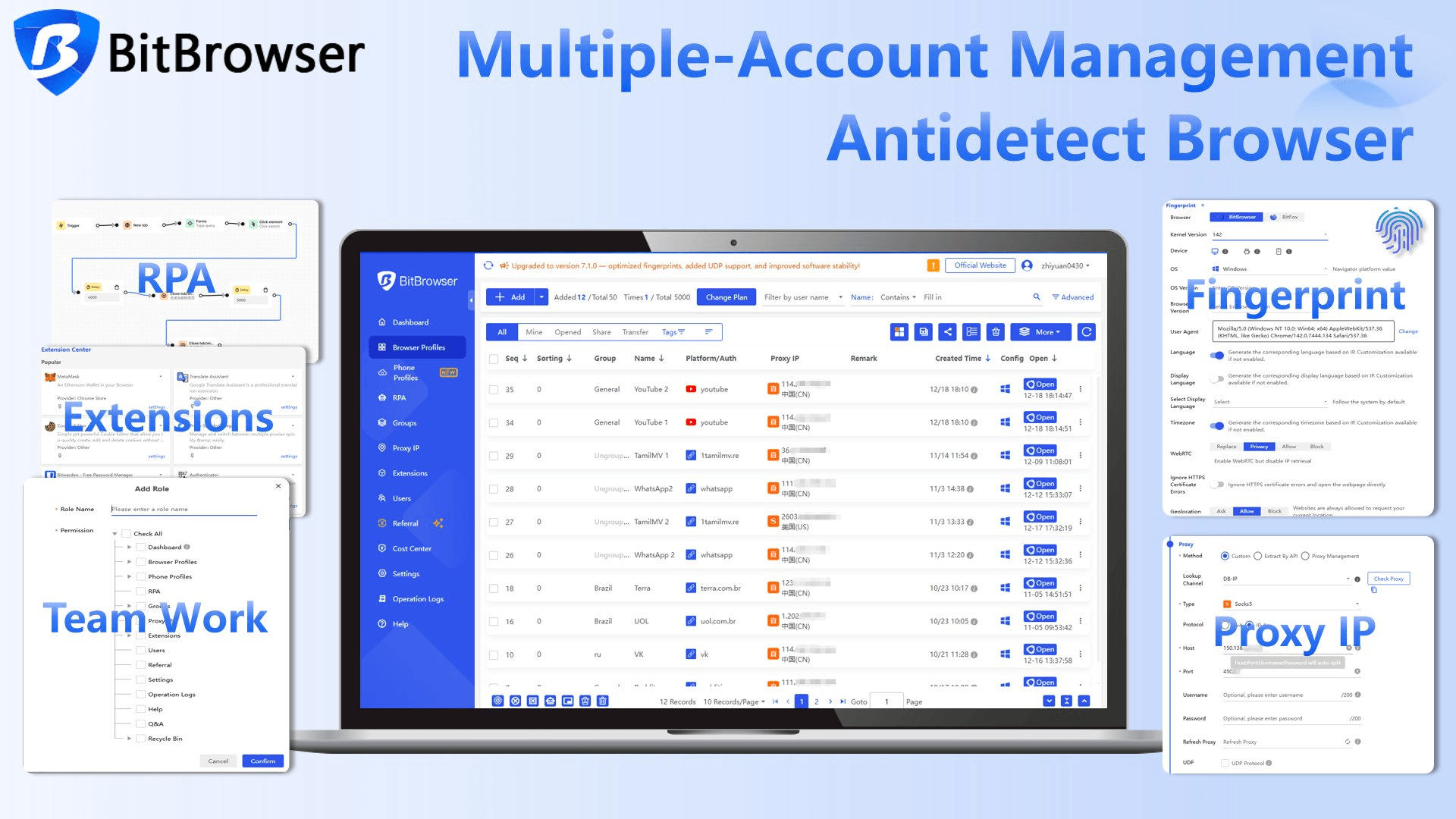
Tools such as BitBrowser are commonly used for this separation. The goal is not extreme anonymity but clean boundaries between identities. When each tracker operates inside its own consistent environment, accidental linking becomes less likely and activity history stays easier to manage.
Sign Up
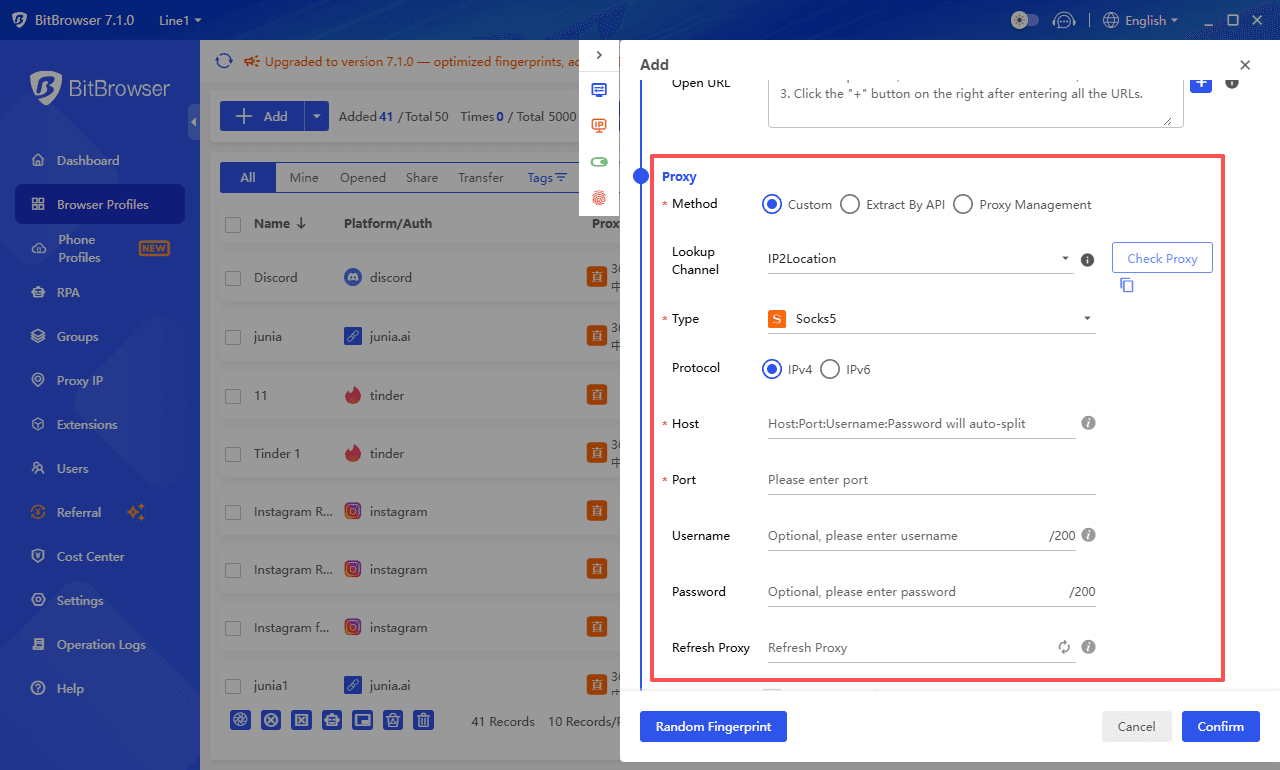
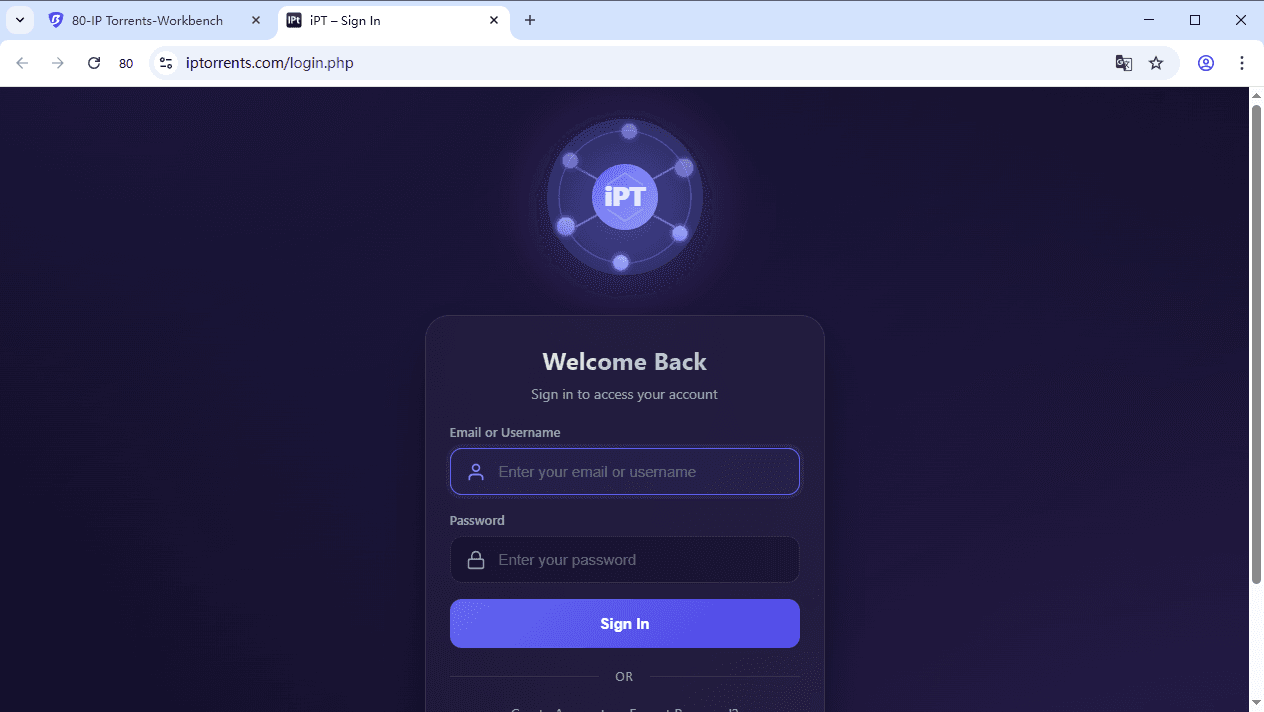
A realistic workflow usually involves a dedicated browser profile for tracker access, a consistent IP or proxy assigned to that profile, the torrent client tied to the same environment, and stable login patterns over time.
Sign Up
Common IPTorrents Ban Reasons
Most bans are not mysterious. They are repetitive.
1. Ratio violations
● Downloading too much too fast
● Not seeding enough time
● Hit and run behavior (grabbing and leaving)
● Deleting torrents immediately after finishing
Fix: use freeleech early, seed long, limit your downloads.
2. Using a banned client or cheating mods
● “Ratio master” style tools
● Modded clients that spoof stats
● Unsupported clients
Even if you think you can get away with it, you will eventually get caught. And trackers share intel sometimes.
3. Multi accounts
Even if you think it is harmless. Even if you forgot you registered years ago. Even if you “only used the old one once.”
If you suspect you have an old account, do not create a new one. Contact staff.
4. Account sharing
Letting a friend use your account, or using theirs.
5. Passkey leaks
Posting a screenshot with your passkey in it. Sharing .torrent files that include your passkey. Using a public automation setup that exposes your URLs.
6. Suspicious IP behavior
● Frequent country hops
● Login IP and announce IP mismatch patterns that look like sharing
● Seedbox plus home plus random VPN exits all in one week
This is where fingerprinting and IP consistency issues show up.
7. Forums and behavior
Some users get banned for being reckless in community spaces. Private trackers are communities. Do not be that person.
Myths vs reality (quick reality check)
Myth 1: Private trackers automatically mean torrent anonymity
Reality: Private trackers log more about you than public ones. They are private communities, not anonymity services.
Myth 2: A VPN makes you safe from bans
Reality: VPNs can cause bans if you change exits constantly, mismatch login and announce patterns, or trigger security flags. VPNs help with ISP visibility, not with “never get flagged.”
Myth 3: Ratio is only about upload speed
Reality: Ratio is about strategy. Freeleech timing, what you choose, how long you seed, and uptime often matter more than raw speed.
Myth 4: Seeding one popular torrent is enough
Reality: It works briefly. Then it stalls. Long term ratio stability usually comes from a broader seeding library plus bonus points.
Myth 5: Fingerprinting is only for big ad websites
Reality: Fingerprinting techniques are widely available. Trackers and their third party protection layers can use modern web security patterns too. Even without “tracking ads,” your browser profile can still be distinctive.
Final thoughts
Using IPTorrents safely and effectively is mostly about discipline, not tricks. Build ratio slowly, seed longer than you think you need to, and treat your account like it is tied to a real identity because in a way it is.
The 2026 angle that more users need to internalize is consistency. If you later expand to multiple trackers and multiple workflows, isolate profiles cleanly. Normal browser profiles are often enough. If you need stronger separation, anti detect browser profiles like BitBrowser can be used in a neutral, practical way for identity isolation, not for bypassing rules.
And if you keep one habit, keep this one: download slower than your excitement, seed longer than your impatience. Your ratio will quietly take care of itself.
You may be interested in reading:
What is TamilMV? How to Access TamilMV in 2026?
How to Safely Access Kickass Torrents in 2026?
How to Safely Access The Pirate Bay in 2026 (Mirrors, Proxies & Risks)
FAQs (Frequently Asked Questions)
1. What is IPTorrents and how does a private tracker like IPTorrents work?
IPTorrents is one of the larger private torrent trackers that hosts .torrent files and sometimes magnet links, coordinating peers via a tracker. It is 'private' because it requires an account to access torrents, tracks your upload and download stats, enforces share ratios and other rules, and usually requires seeding for a minimum time or until a ratio target is met.
2. How do I join IPTorrents in 2026?
In 2026, the realistic ways to join IPTorrents are: 1) Getting an invite from a current member, which is the best method; 2) Signing up during official registration windows when they open; 3) Occasionally through donation or paid entry options offered by the tracker.
3. Is using IPTorrents legal?
The platform itself is legal, but downloading or sharing copyrighted content without permission may violate local laws depending on your country.
4. What ratio is considered safe on IPTorrents?
Around 1.0 is generally considered healthy, but consistent seeding and bonus points can offset lower ratios depending on tracker rules.
5. Can you use a VPN with IPTorrents?
Yes, but consistency matters. Frequent VPN location changes or mismatched login and torrent IP patterns can trigger flags.
6. Why do accounts get banned on private trackers?
The most common reasons are low ratio, hit and run behavior, multi accounts, banned torrent clients, and suspicious environment changes.

 Multi-Account Management
 Prevent Account Association
 Multi-Employee Management
Recommended
See More