Phone Farm vs Cloud Phone BitCloudPhone Guide 2026 Best Setup for Automation
 2026.03.27 06:10
 petro
petroAs mobile-based businesses continue to grow, many people are looking for ways to manage multiple devices efficiently. Whether it is for social media automation, app testing, or account management, two main solutions dominate the space: phone farms and cloud phones.
This guide explains both systems in detail and helps you understand which one fits your needs, especially with platforms like BitCloudPhone becoming popular.
Understanding Phone Farms
A phone farm is a setup that uses multiple physical smartphones running at the same time. These devices are usually connected through racks or USB hubs and can be controlled manually or through automation tools.
Phone farms are commonly used by people who want full control over their devices. Since you own the hardware, you are not dependent on any external provider.
However, building a phone farm requires investment, space, and ongoing maintenance.
Understanding Cloud Phones
A cloud phone is a virtual Android device hosted on remote servers. Instead of owning physical devices, you access these phones through the internet using your computer or browser.
Cloud phones allow users to operate multiple devices without dealing with hardware. Everything is managed online, making the system easier to use and scale.
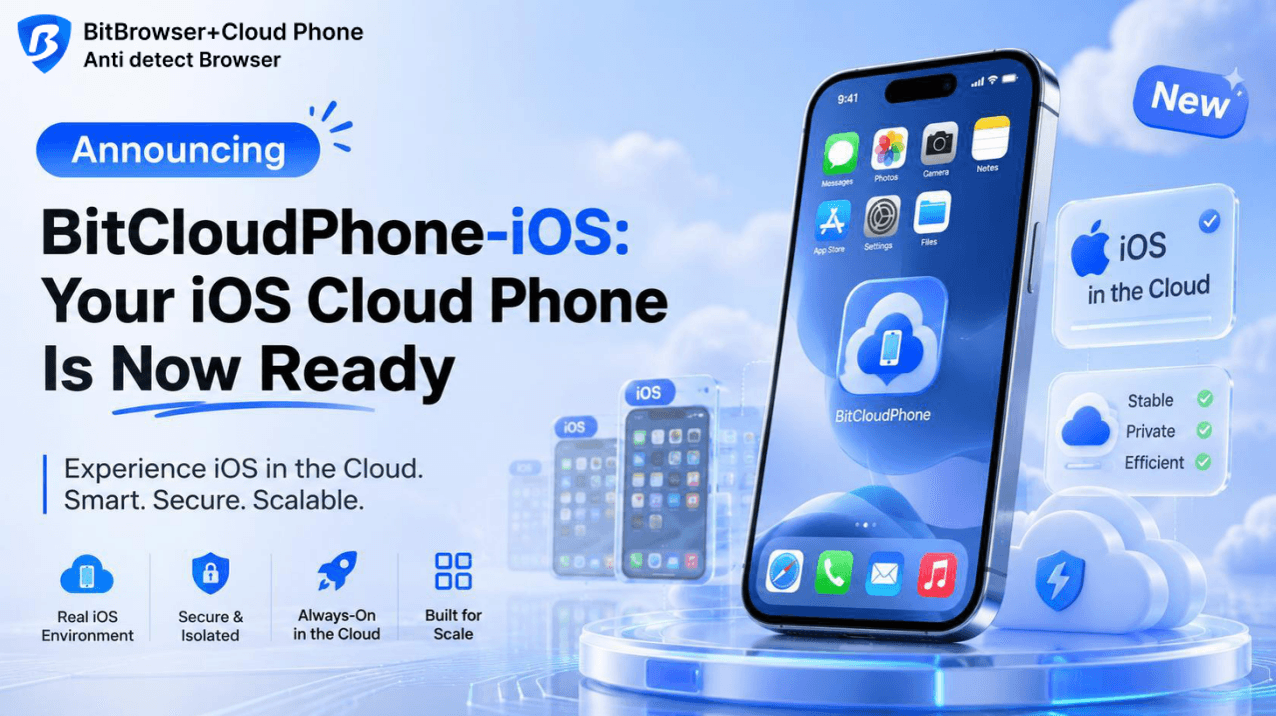
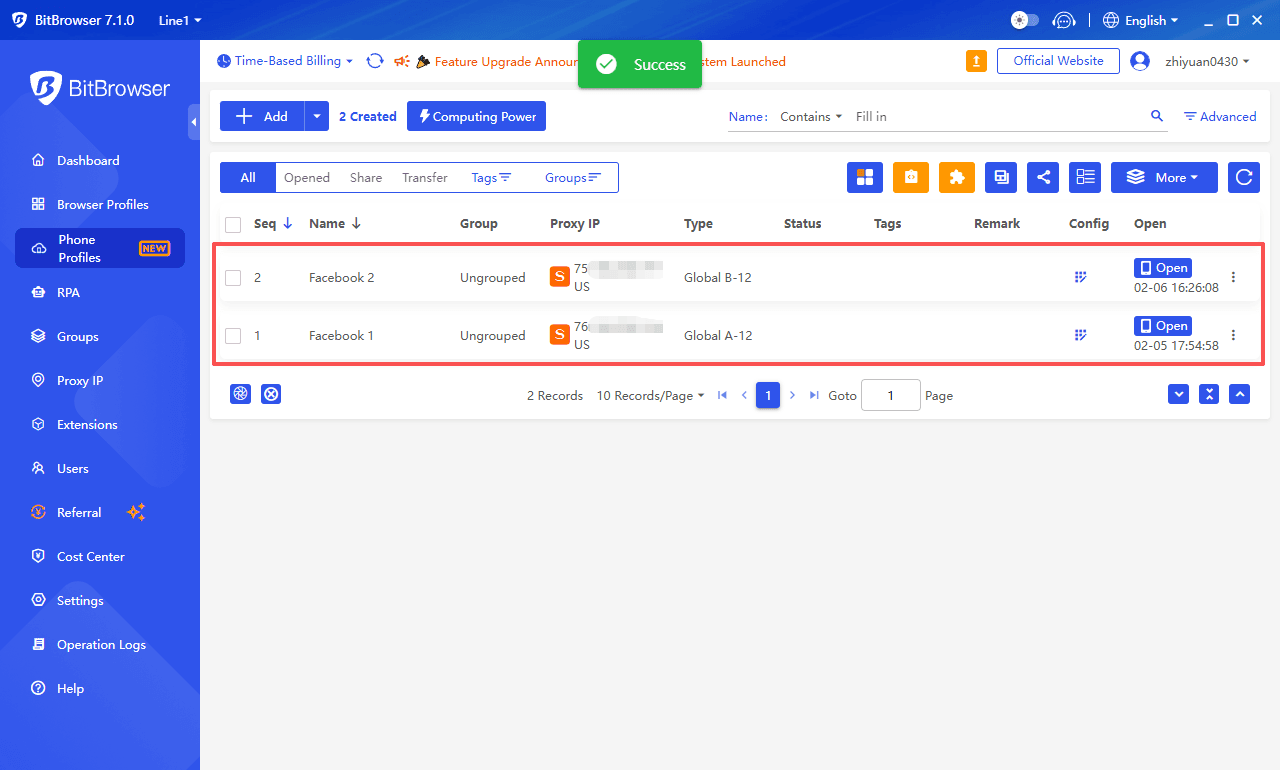
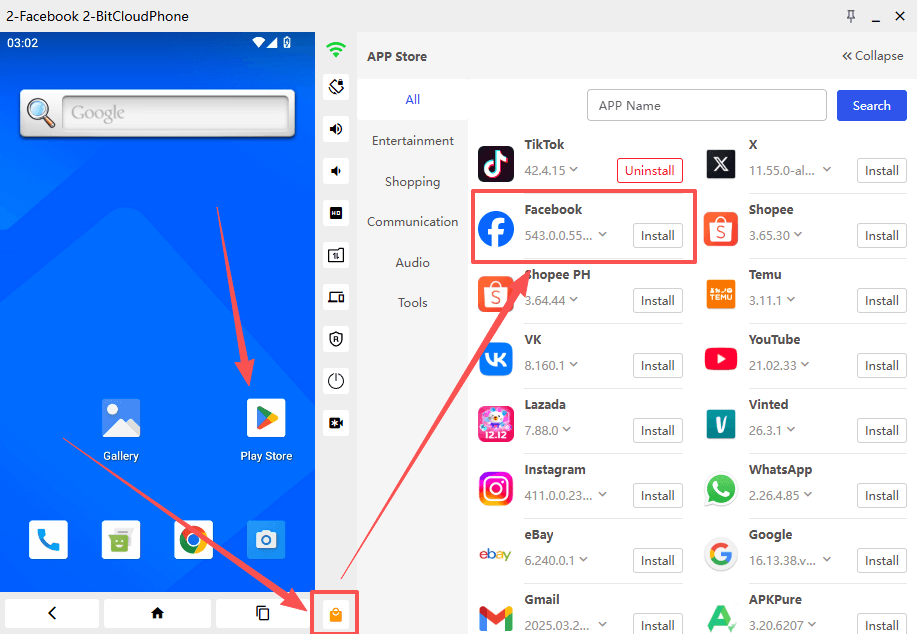
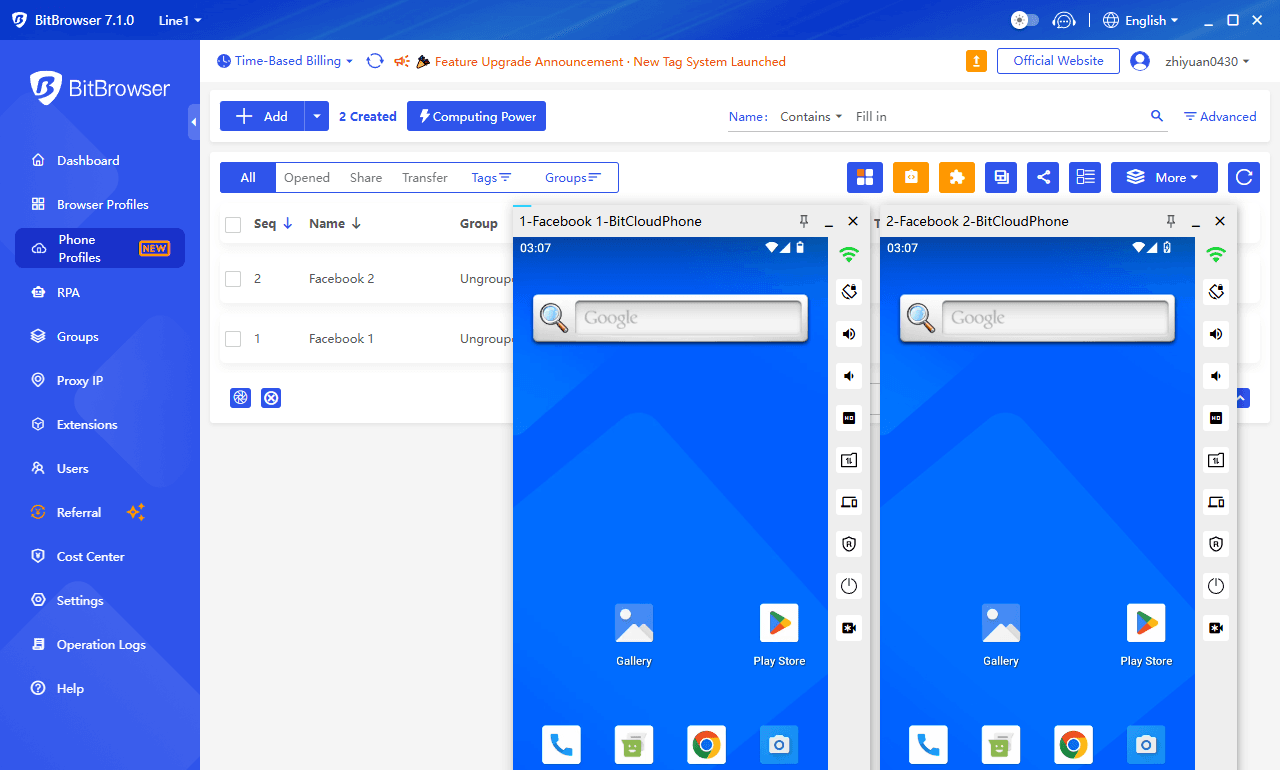
Platforms like BitCloudPhone offer cloud-based Android environments designed for handling multiple accounts and automation workflows.
Key Differences Between Phone Farm and Cloud Phone
Setup
A phone farm takes time to build because you need to purchase devices and configure everything manually. In contrast, a cloud phone can be set up in minutes since everything is already hosted online.
Cost
Phone farms require a large upfront investment. You need to buy devices, cables, and networking equipment. On top of that, you will pay for electricity and maintenance.
Cloud phones do not require upfront costs. Instead, you pay a monthly fee per device. This makes them more affordable for beginners or short-term projects.
Scalability
Scaling a phone farm is slow because you must physically add more devices. With cloud phones, scaling is instant. You can increase the number of devices with just a few clicks.
Maintenance
Phone farms require constant attention. Devices can overheat, batteries degrade, and hardware can fail.
Cloud phones are maintained by the provider, so you do not deal with technical issues.
Control
Phone farms give you complete control over hardware and network conditions. Cloud phones depend on the provider, which limits your control to what the platform allows.
Advantages and Disadvantages
Phone Farm Advantages
Phone farms offer full ownership and control. They are suitable for long-term use where you want to avoid recurring subscription costs.
Phone Farm Disadvantages
They are expensive to set up, require space, and need ongoing maintenance. Managing many devices can become complex over time.
Cloud Phone Advantages
Cloud phones are easy to start, require no hardware, and can scale quickly. They are ideal for users who want efficiency and flexibility.
Cloud Phone Disadvantages
They rely on a provider and require monthly payments. You also have less control compared to owning physical devices.
When to Choose Each Option
You should choose a phone farm if you plan to run a long-term operation and want full control over your setup. It is also suitable if you already have the resources and technical knowledge.
You should choose a cloud phone like BitCloudPhone if you want a fast and simple solution. It is especially useful for managing multiple accounts, testing apps, or running automation without dealing with hardware.
Real World Applications
Cloud phones are widely used for social media automation because they allow easy scaling and account separation.
They are also useful for app testing, where developers need access to multiple devices quickly.
Phone farms are more common in large-scale operations where long-term cost savings and control are more important than convenience.
Final Thoughts
Both phone farms and cloud phones serve the same purpose but in very different ways. One focuses on control and ownership, while the other focuses on simplicity and scalability.
For most users today, cloud phones like BitCloudPhone provide a more practical and efficient solution. However, phone farms still have value in specific long-term and high-control scenarios.
Conclusion
Choosing between a phone farm and a cloud phone depends on your goals, budget, and technical ability. If you want speed and ease, cloud phones are the better choice. If you want control and independence, a phone farm may be worth the effort.
Understanding these differences will help you build the right setup for your needs.

 Multi-Account Management
 Prevent Account Association
 Multi-Employee Management
Recommended
See More